Common polypody (Polypodium cambricum)
Care, watering, light and tips for Common polypody on Floravia.
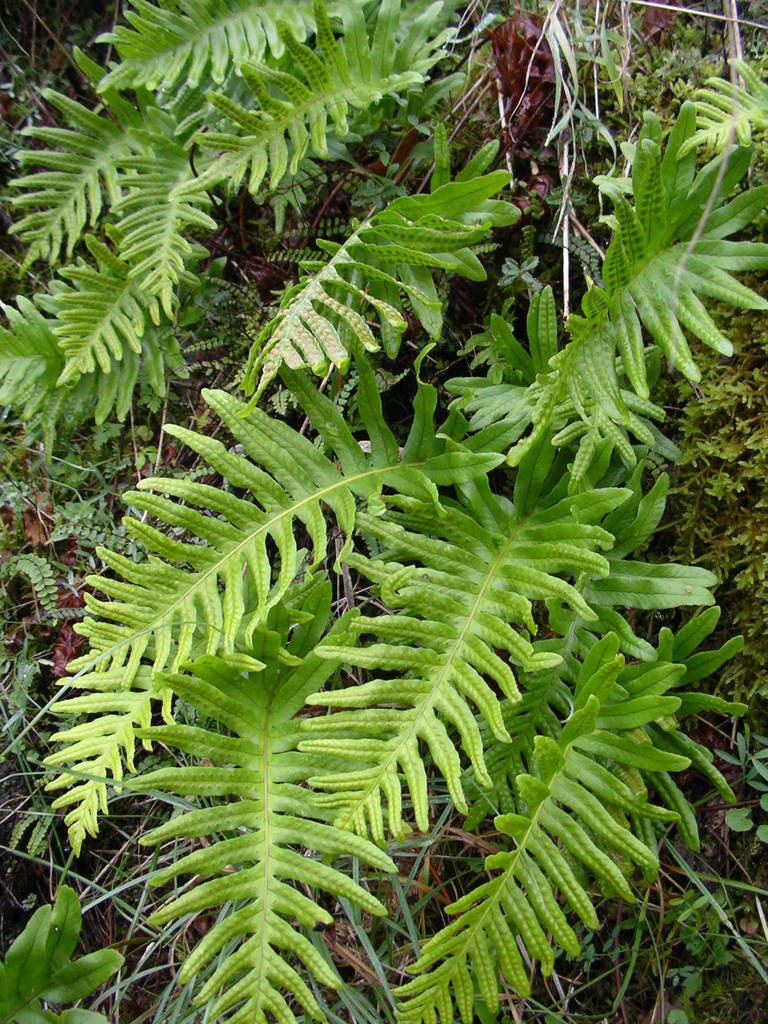
Quick facts
- Family: Polypodiaceae
- Difficulty: Moderate care
- Watering: every 3 days
- Light: Shade
- Temperature: 10–25 °C
About Common polypody
Polypodium cambricum, commonly known as the Welsh Polypody, is a perennial fern native to Western Europe, valued for its deeply lobed, vibrant green fronds. It forms compact clumps, making it ideal for shady rock gardens, woodland settings, or as an indoor plant in a cool, humid environment. Its persistent foliage provides year-round interest.
Native range
Western and Southern Europe, including Great Britain, Spain, and France
Care tips
It thrives in partial to full shade and well-drained, organically rich, slightly acidic soil. Keep the soil consistently moist but avoid waterlogging, especially in winter. A common mistake is planting it in heavy or very dry soils, which can lead to yellowing and shedding of fronds. It requires little fertilization, just a light application in spring.
How to save a dying Common polypody
- Warning signs
- Pale or yellowing fronds, dry tips, stunted growth. It's a fern, it loves humidity!
- First aid
- Move to a shady, humid spot. Mist fronds with distilled water. Check substrate, keep it slightly moist.
- What kills it
- Dry air and soil. Does not tolerate direct sun or constant waterlogging.
- Can it be saved?
- Yes! It's resilient. With prompt changes in humidity and location, it usually recovers well.