Common polypody (Polypodium vulgare)
Care, watering, light and tips for Common polypody on Floravia.
Quick facts
- Family: Polypodiaceae
- Difficulty: Moderate care
- Watering: every 3 days
- Light: Shade
- Temperature: 10–25 °C
About Common polypody
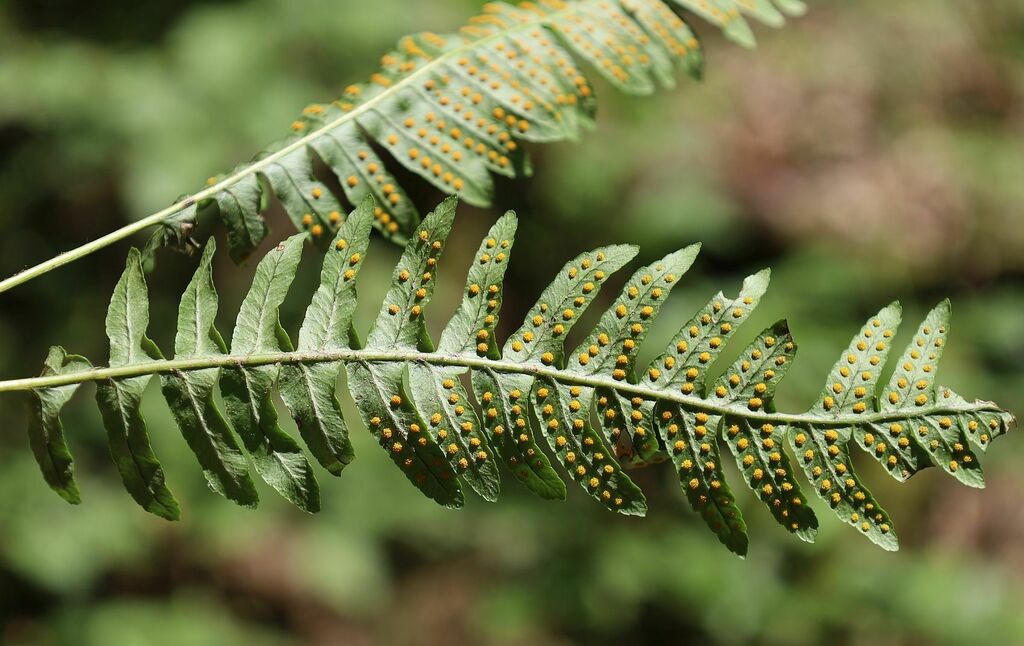
Polypodium vulgare, commonly known as common polypody or wall fern, is a small to medium-sized, robust, and hardy perennial fern. Its dark green, glossy, and leathery pinnate fronds grow in dense rosettes, often covering rocks, old walls, or tree trunks in shady areas. It's ideal for rock gardens, green walls, or as an understory plant in naturalistic garden settings.
Native range
Europe, parts of Asia, and North America
Care tips
This fern prefers partial to full shade and consistent moisture, but not waterlogging. Water regularly to keep the substrate moist, especially during dry periods, but ensure good drainage. It thrives in slightly acidic to neutral, well-drained soils rich in organic matter. A common mistake is planting it in direct sun or overly dry soils, which can scorch its fronds.
How to save a dying Common polypody
- Warning signs
- Pale fronds, dry and crispy edges, slow or no growth. Soil too dry or too wet.
- First aid
- Check substrate moisture. If dry, water. If wet, aerate. Increase ambient humidity. Relocate if receiving direct light.
- What kills it
- Lack of humidity, direct sunlight, constant waterlogging, or completely dry soil. Poor drainage.
- Can it be saved?
- Yes, often! It's quite resilient. Act quickly to correct humidity and light conditions.