Polypodium interjectum
Care, watering, light and tips for Polypodium interjectum on Floravia.
Quick facts
- Family: Polypodiaceae
- Difficulty: Moderate care
- Watering: every 3 days
- Light: Shade
- Temperature: 10–25 °C
About Polypodium interjectum
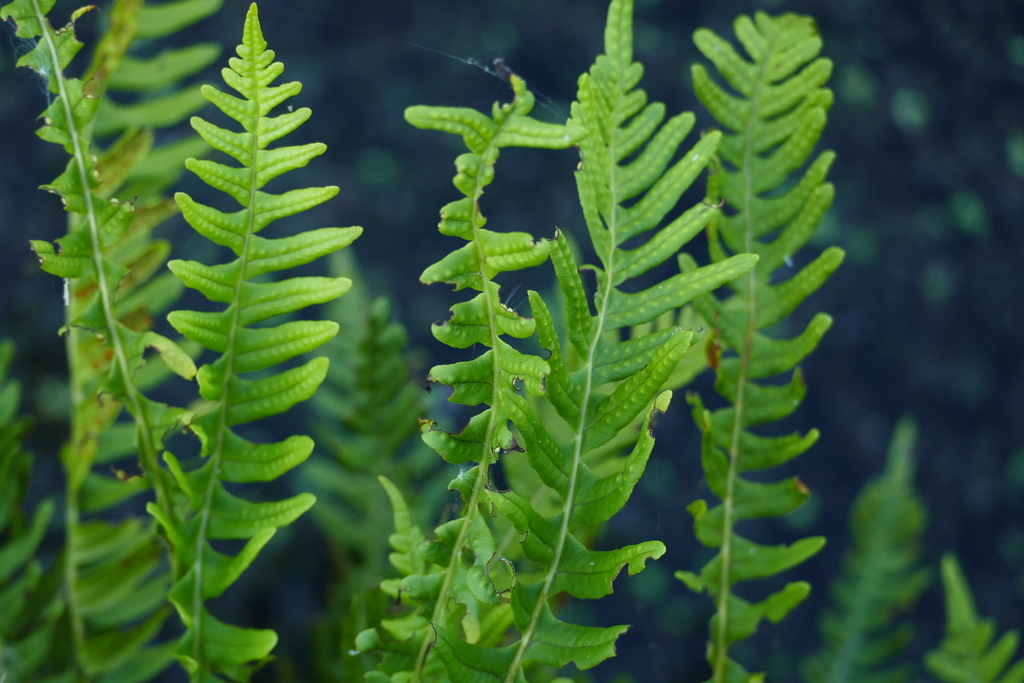
The *Polypodium interjectum*, commonly known as Deer Tongue Fern or 'myk sisselrot' in some regions, is a robust, clump-forming perennial fern cherished for its leathery, simple, and lanceolate bright green fronds. Its leaves can reach up to 60 cm in length and rise gracefully from a creeping rhizome. It's an excellent choice for shade gardens, rockeries, or as an indoor plant in hanging baskets, providing lush texture and a jungle-like feel.
Native range
Europe and temperate Asia
Care tips
It prefers partial to full shade, avoiding direct sunlight which can scorch its fronds. Keep the substrate consistently moist but well-drained, watering when the top layer begins to dry, and it benefits from high ambient humidity. Use a rich, organic, and well-draining substrate, such as a fern mix or a combination of peat, perlite, and bark. A common mistake is allowing the rhizome to dry out completely, which can severely stress the plant or lead to its demise.
How to save a dying Polypodium interjectum
- Warning signs
- Wilting leaves, dry tips, yellowing or browning. Substrate dries out too fast.
- First aid
- Increase humidity with daily misting or a pebble tray. Check watering.
- What kills it
- Lack of humidity and insufficient watering. Dry substrate and warm air dehydrate it.
- Can it be saved?
- Yes, if roots are still firm. Recovery can be slow but possible with proper care.