Wild maracuja (Passiflora cincinnata)
Care, watering, light and tips for Wild maracuja on Floravia.
Quick facts
- Family: Passifloraceae
- Difficulty: Easy to care for
- Watering: every 3 days
- Light: Partial shade
- Temperature: 10–30 °C
- Toxicity: Toxic to pets
About Wild maracuja
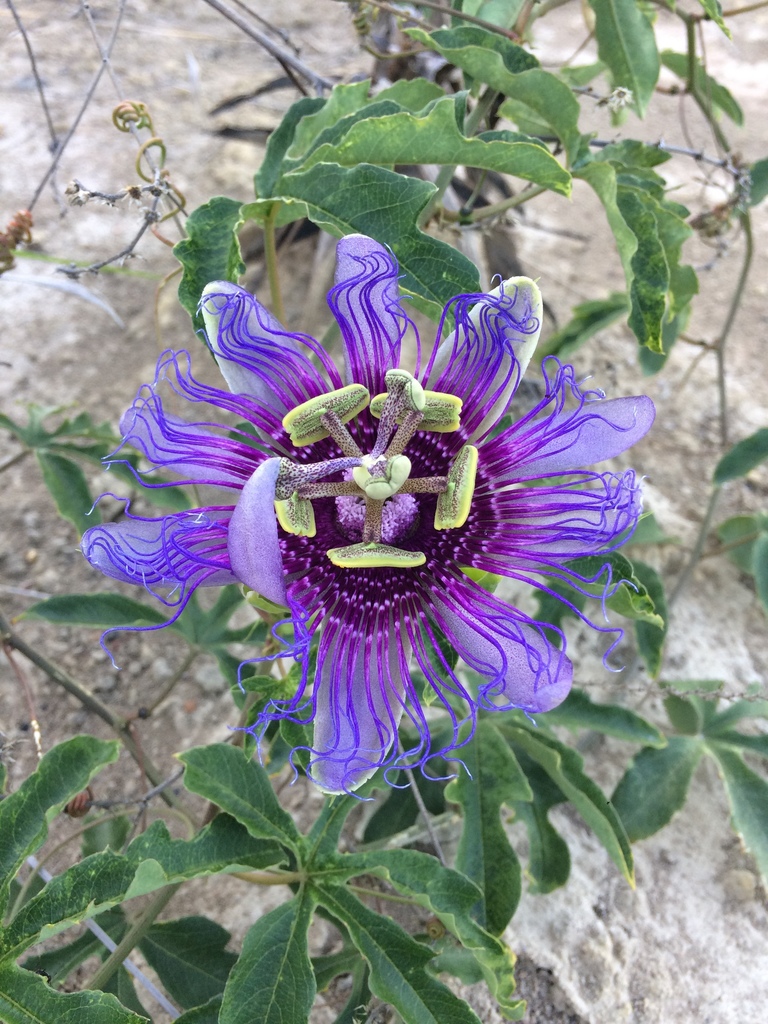
Passiflora cincinnata, commonly known as "crato passionvine," is a fast-growing climber native to Brazil, prized for its vibrant purple flowers and edible fruit. Its intricate and exotic blooms, featuring wavy filaments, make it ideal for covering pergolas, fences, or walls, adding a tropical touch to any garden. It's an excellent plant for attracting pollinators, offering a continuous visual spectacle during its flowering season.
Native range
Brazil
Care tips
It requires full sun to partial shade exposure for abundant flowering and good fruit production. Watering should be regular, keeping the substrate moist but not waterlogged, especially during growth and flowering periods. It prefers well-drained soils, rich in organic matter, with a slightly acidic to neutral pH; a good all-purpose potting mix blended with compost is ideal. Avoid prolonged drought, as it can lead to flower and fruit drop, but also avoid overwatering, which can cause root rot.
How to save a dying Wild maracuja
- Warning signs
- Yellowing leaves or brown spots, dropping flowers/immature fruits, weak/dry stems.
- First aid
- Check drainage and soil moisture. If potted, consider a larger pot if roots are crowded. Ensure at least 6 hours of direct sun. Prune dry stems.
- What kills it
- Prolonged over/underwatering, lack of direct sunlight, poor draining soil causing root rot. Avoid excessive fertilizer.
- Can it be saved?
- Yes, if roots aren't completely rotted and green stems remain. Act quickly to correct conditions.