Slippery elm (Ulmus rubra)
Care, watering, light and tips for Slippery elm on Floravia.
Quick facts
- Family: Ulmaceae
- Difficulty: Moderate care
- Watering: every 7 days
- Light: Partial shade
- Temperature: 10–30 °C
About Slippery elm
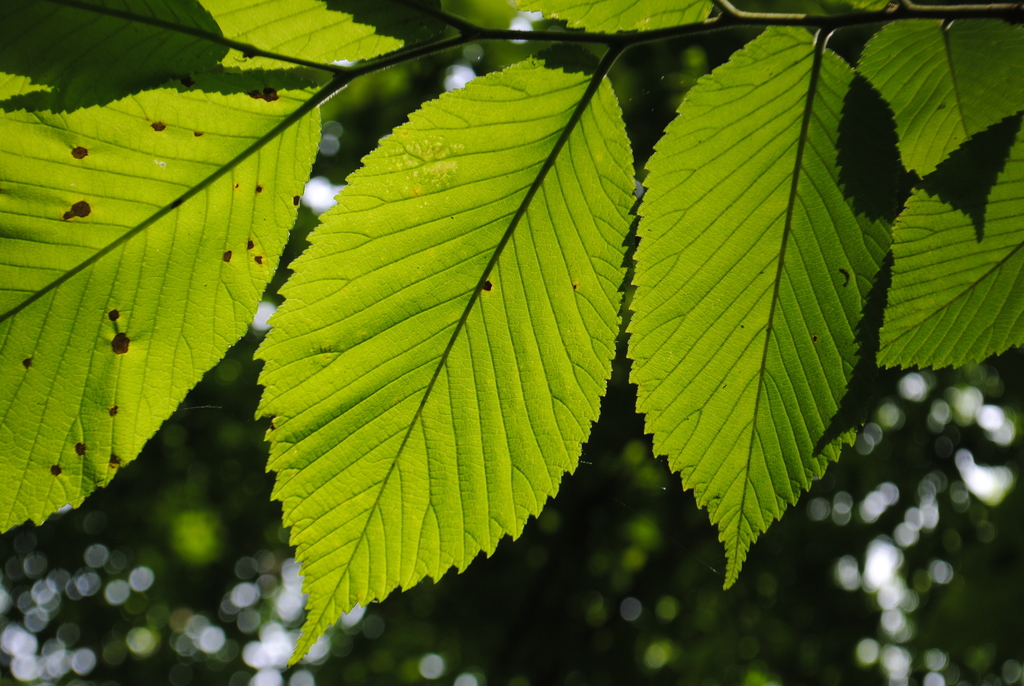
The Slippery Elm (Ulmus rubra), also known as red elm or American elm, is a deciduous tree native to North America, valued for its rugged bark and dark green foliage. It can reach significant heights, developing a broad, rounded canopy that provides excellent shade. It is ideal as a shade tree in large parks, spacious gardens, or as part of avenue plantings, adding a majestic touch to the landscape.
Native range
Eastern North America
Care tips
It prefers full sun to partial shade for optimal growth, with at least 6 hours of direct sunlight daily. Watering should be regular during the first few years to establish the root system; thereafter, it tolerates drought better but appreciates deep watering during dry spells. It requires well-drained, fertile, and slightly acidic to neutral soil; avoid compacted and waterlogged soils. A common mistake is planting it in confined spaces, as its large size requires careful planning.
How to save a dying Slippery elm
- Warning signs
- Yellowing or browning, wilting leaves; cracked bark or cankers; weak shoots.
- First aid
- Assess soil (drainage, pH), prune dead branches, ensure adequate watering (no waterlogging).
- What kills it
- Soil compaction and waterlogging; fungal diseases like Dutch elm disease; water stress.
- Can it be saved?
- Yes, if acted upon quickly. Dutch elm disease is severe, but other issues are manageable.