Chinese elm (Ulmus parvifolia)
Care, watering, light and tips for Chinese elm on Floravia.
Quick facts
- Family: Ulmaceae
- Difficulty: Moderate care
- Watering: every 3 days
- Light: Partial shade
- Temperature: 10–30 °C
About Chinese elm
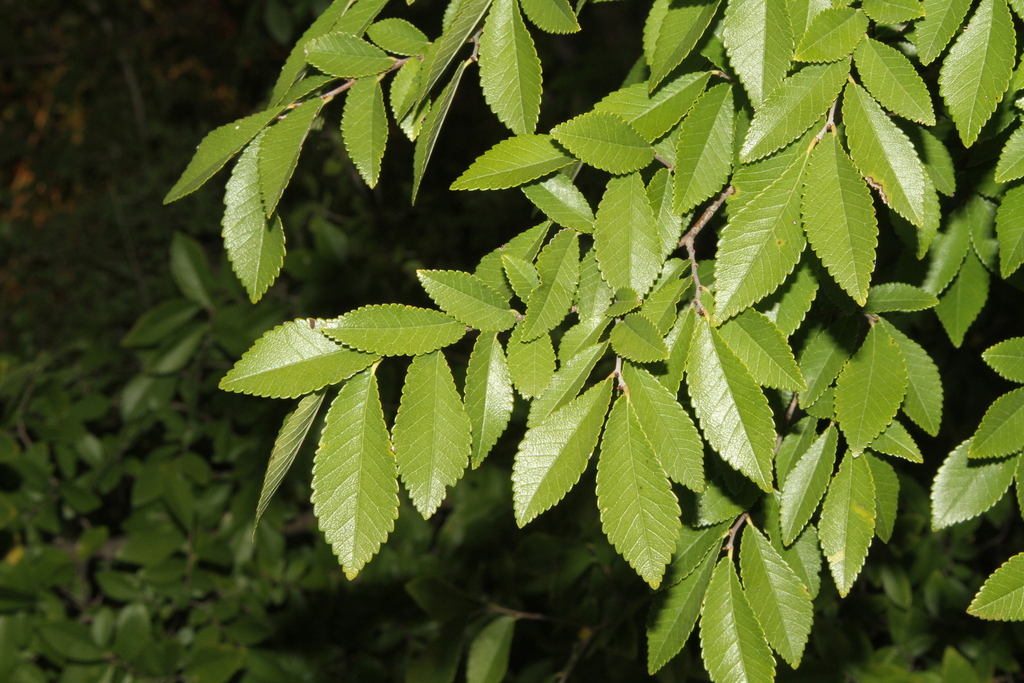
The Chinese Elm, or Ulmus parvifolia, is a deciduous or semi-deciduous tree valued for its elegant small foliage and exfoliating bark that reveals shades of gray, brown, and orange. It is an excellent choice for bonsai, small gardens, or as a shade tree in temperate climates, offering delicate beauty and an attractive silhouette throughout the year.
Native range
East Asia, including China, Korea, Japan, and Vietnam.
Care tips
It prefers full sun to partial shade for optimal growth and good autumn coloration. Watering should be regular, keeping the substrate moist but well-drained, especially during warm months; avoid waterlogging. Use a good quality, well-draining universal potting mix. A common mistake is the lack of formative pruning, which can lead to unruly growth and the loss of its characteristic elegant silhouette.
How to save a dying Chinese elm
- Warning signs
- Yellow or brown, wilted leaves, falling in mass. Dry, brittle twigs. Lack of new shoots.
- First aid
- Check watering (moist, not waterlogged soil). Place in partial shade if intense heat. Prune dead branches.
- What kills it
- Overwatering (root rot) or prolonged drought. Lack of light or intense direct sun without acclimatization.
- Can it be saved?
- Yes, if roots aren't completely rotted and green branches remain. Act fast and with patience.