Dutch elm (Ulmus hollandica)
Care, watering, light and tips for Dutch elm on Floravia.
Quick facts
- Family: Ulmaceae
- Difficulty: Moderate care
- Watering: every 7 days
- Light: Partial shade
- Temperature: 10–30 °C
About Dutch elm
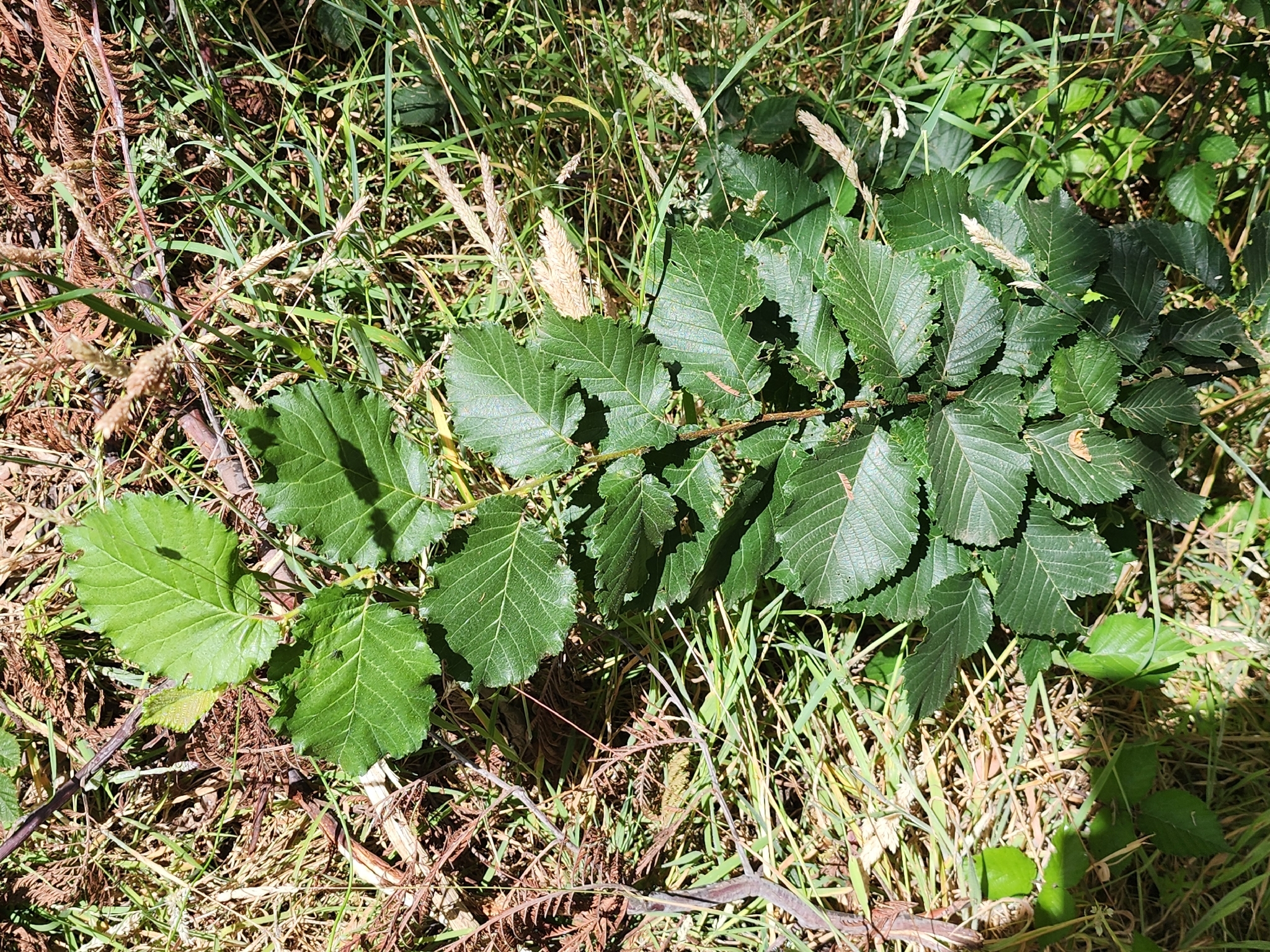
Ulmus x hollandica, commonly known as Dutch Elm, is a vigorous and fast-growing hybrid, prized for its elegant habit and disease resistance. It forms a large tree with a broad crown and ascending branches, ideal for avenues, parks, and large gardens where shade and presence are desired. Its leaves are a glossy dark green, turning golden yellow in autumn.
Native range
Hybrid of European origin
Care tips
It prefers full sun and well-drained, fertile, slightly acidic to neutral soils. Watering should be regular during the first few years to establish the root system, and then it tolerates periods of drought once mature. A common mistake to avoid is excessive and drastic pruning, which can weaken the tree and make it more susceptible to diseases. Ensure planting in a location with ample space for its mature size.
How to save a dying Dutch elm
- Warning signs
- Yellow or brown leaves falling prematurely, branches dying back from the tips. These are symptoms of Dutch elm disease, a lethal illness.
- First aid
- There is no curative treatment once the disease progresses. Immediately remove affected branches, but often futile.
- What kills it
- Failing to recognize early symptoms of Dutch elm disease or planting non-resistant varieties in high-risk areas. Lack of pruning dry branches.
- Can it be saved?
- Very difficult if it's Dutch elm disease. If due to water stress or minor pests, yes, with proper irrigation and pest control.