European white elm (Ulmus laevis)
Care, watering, light and tips for European white elm on Floravia.
Quick facts
- Family: Ulmaceae
- Difficulty: Moderate care
- Watering: every 7 days
- Light: Partial shade
- Temperature: 10–30 °C
About European white elm
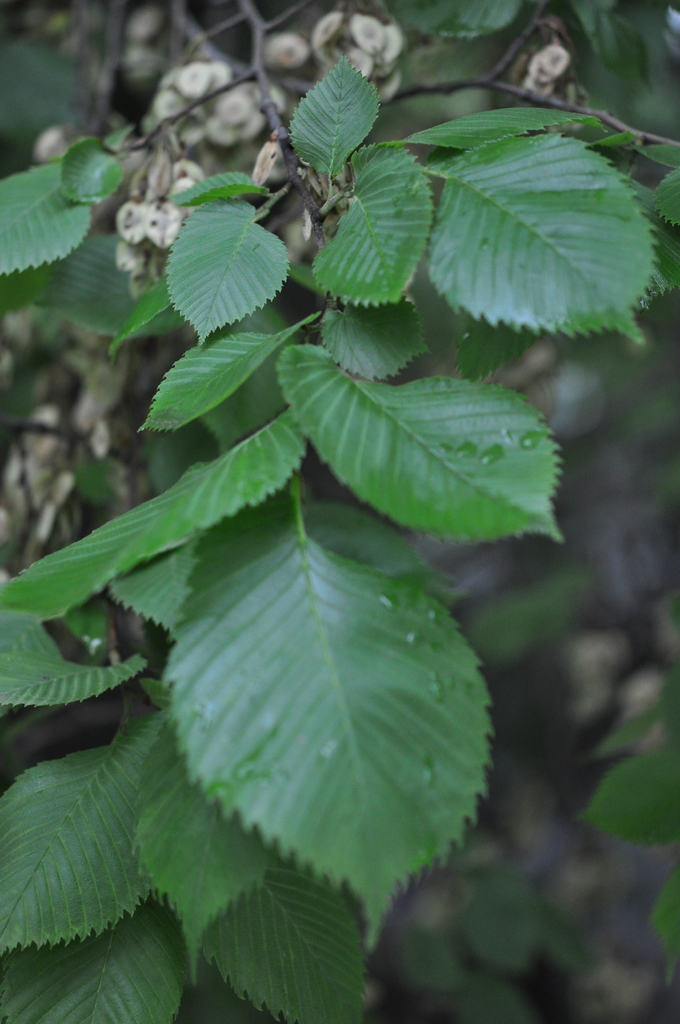
Ulmus laevis, commonly known as the European white elm or spreading elm, is a medium to large deciduous tree valued for its elegant habit and resistance to Dutch elm disease. Its leaves are asymmetrical at the base and its bark is fissured. It is ideal for parks, large gardens, and avenues, providing shade and natural beauty.
Native range
Eastern and Central Europe, and Western Asia
Care tips
It prefers full sun to partial shade exposure and moist, well-drained, nutrient-rich soils, even tolerating occasional waterlogging. Watering should be regular, especially during the first years and in dry periods, ensuring the substrate remains consistently moist. A common mistake is planting it in excessively dry or compacted soils, which can limit its development. This is a hardy species that generally does not require severe pruning, beyond initial shaping and the removal of dry or diseased branches.
How to save a dying European white elm
- Warning signs
- Yellowing or browning, wilting leaves, premature leaf drop, weak shoots. Sap exudation on trunk.
- First aid
- Check drainage. If drought, water slowly and deeply. For pests, apply specific insecticide. Prune dead branches.
- What kills it
- Constant waterlogging causing root asphyxia and rot, or severe, prolonged water stress.
- Can it be saved?
- Yes, if acted upon quickly. Key is correcting water issues and protecting from diseases like Dutch elm disease.