European nettle tree (Celtis australis)
Care, watering, light and tips for European nettle tree on Floravia.
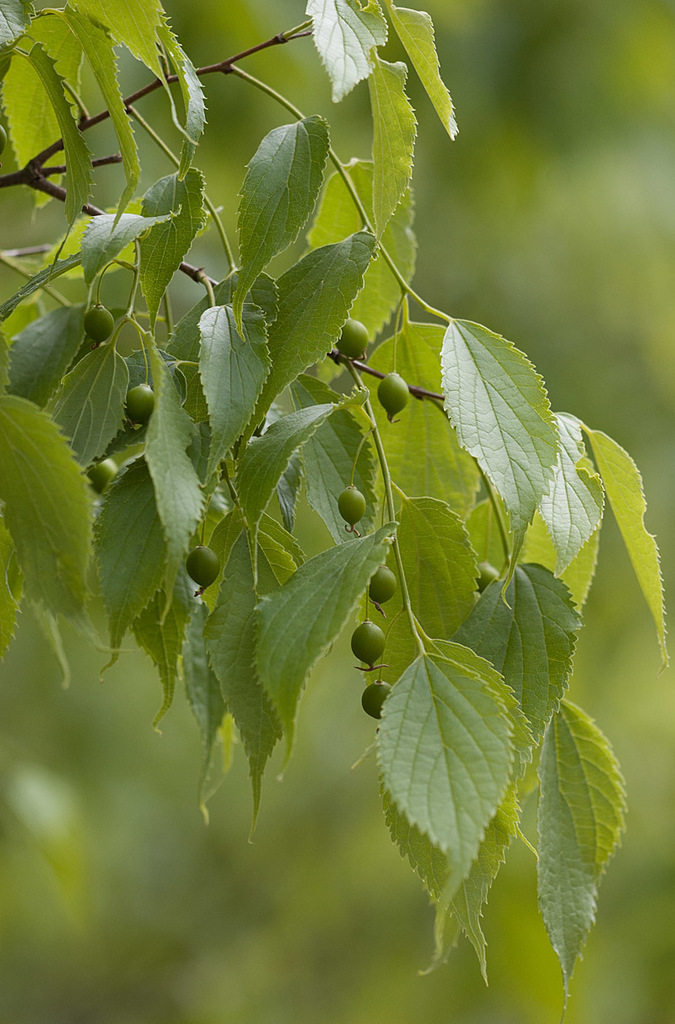
Quick facts
- Family: Cannabaceae
- Difficulty: Easy to care for
- Watering: every 7 days
- Light: Partial shade
- Temperature: 10–30 °C
About European nettle tree
Celtis australis, commonly known as the European Nettle Tree or Mediterranean Hackberry, is a medium to large deciduous tree prized for its elegant habit and hardiness. It features a smooth, grey trunk with bark that fissures with age, and dark green, serrated leaves that turn yellow in autumn. It is ideal as a shade tree in spacious gardens, parks, or as an urban street tree, providing a Mediterranean aesthetic and an attractive silhouette.
Native range
Mediterranean region, Southern Europe, North Africa, and Southwest Asia.
Care tips
This tree is extremely adaptable and thrives in full sun for optimal growth, though it toler tolerates partial shade. Once established, it is highly drought-tolerant, so watering should be moderate, especially for young specimens during summer. It adapts to a wide range of soils, including poor and calcareous ones, as long as they have good drainage. A common mistake to avoid is overwatering mature trees, which can be detrimental.
How to save a dying European nettle tree
- Warning signs
- Yellowish or brown leaves falling prematurely, dry twigs, no budding in spring.
- First aid
- Transplant if soil is poor/compacted. Ensure good drainage and deep watering.
- What kills it
- Lack of water in early years or very poor soil. Also, excessive pruning.
- Can it be saved?
- Yes, if roots are healthy and there are green sprouts on the trunk, it can regrow.