Chinese hackberry (Celtis sinensis)
Care, watering, light and tips for Chinese hackberry on Floravia.
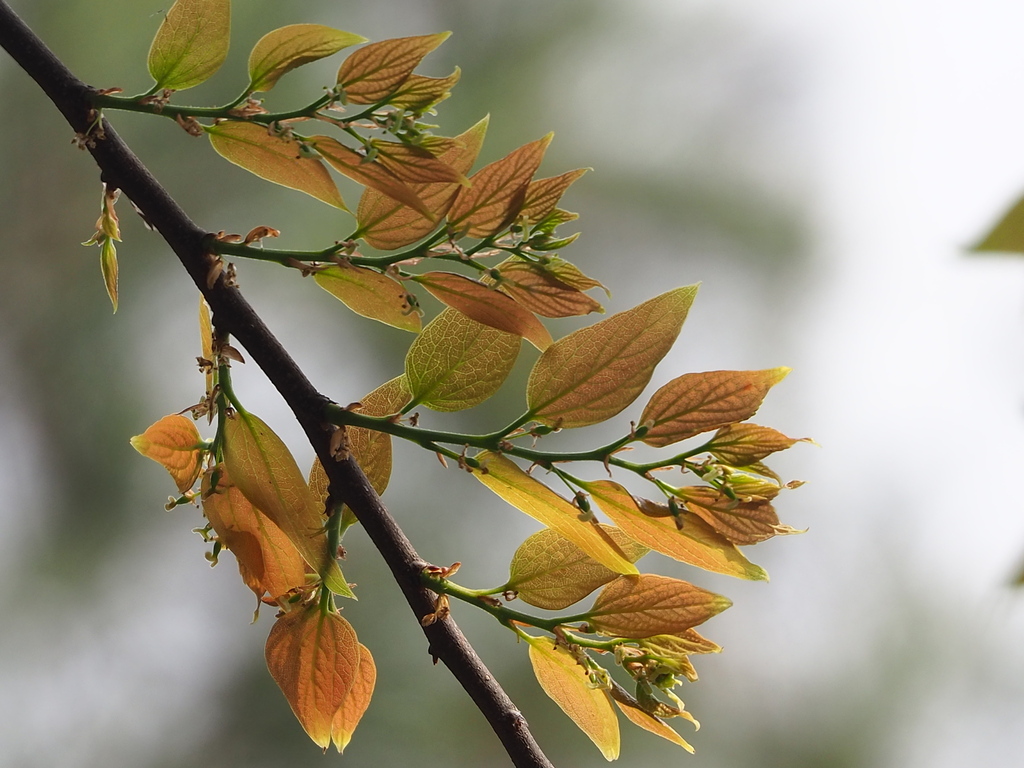
Quick facts
- Family: Cannabaceae
- Difficulty: Easy to care for
- Watering: every 7 days
- Light: Partial shade
- Temperature: 10–30 °C
About Chinese hackberry
Celtis sinensis, or Chinese hackberry, is a medium to large deciduous tree, valued for its dense foliage and grayish bark that develops furrows with age. It produces small orange or reddish berries in autumn, which are a food source for wildlife. It's an excellent choice for urban tree planting, parks, and large gardens, providing shade and seasonal appeal.
Native range
East Asia, including China, Korea, and Japan.
Care tips
It prefers full sun for optimal growth, though it toler tolerates some partial shade. It is very adaptable to different soil types, as long as they have good drainage, and once established it is quite drought-tolerant, so watering should be moderate. Avoid waterlogging, as it is prone to root rot in excessively wet soils. A common mistake is planting it in spaces that are too small, as it needs room to develop its wide canopy.
How to save a dying Chinese hackberry
- Warning signs
- Yellowing/browning leaves dropping, dry twigs, stunted growth.
- First aid
- Check drainage, water deeply if dry, prune dead branches and remove sick leaves.
- What kills it
- Constant waterlogging or prolonged drought. It's adaptable, but dislikes extremes.
- Can it be saved?
- Yes, it's quite resilient. Act quickly at the first symptoms.