Celtis tala
Care, watering, light and tips for Celtis tala on Floravia.
Quick facts
- Family: Cannabaceae
- Difficulty: Easy to care for
- Watering: every 7 days
- Light: Partial shade
- Temperature: 10–30 °C
About Celtis tala
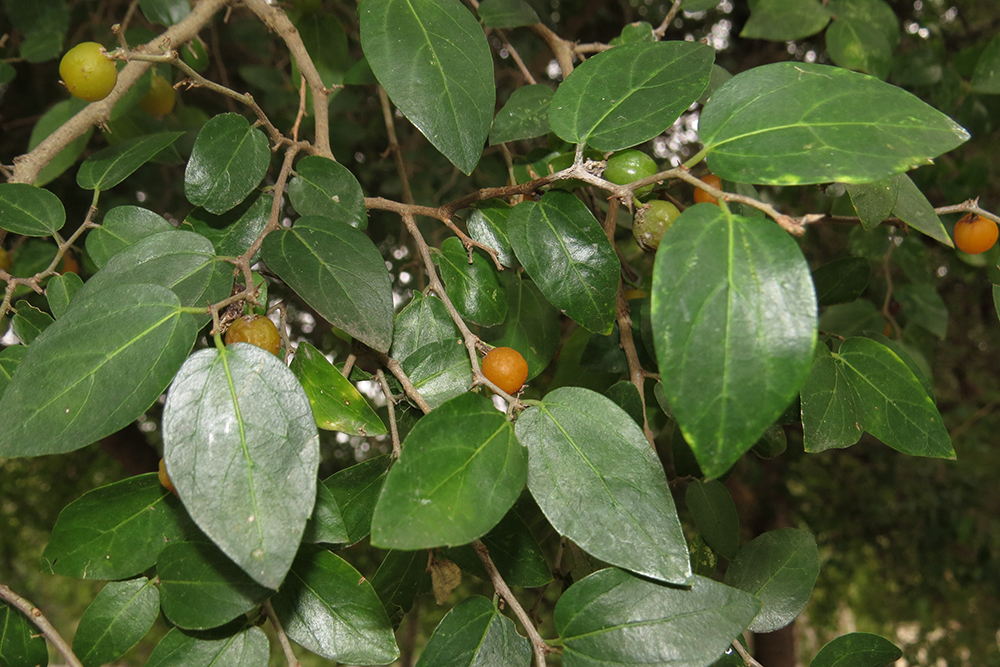
The Tala (Celtis tala) is a native South American tree, recognized by its thorny trunk and irregular, spreading canopy. It produces small, orange fruits highly valued by wildlife. It's an excellent choice for low-maintenance gardens or for restoring native ecosystems, providing structural interest and food for birds.
Native range
South America, from central Argentina to southern Brazil and Uruguay
Care tips
It prefers full sun to partial shade and tolerates a wide range of soils, including poor or dry ones, as long as they have good drainage. It is very drought-tolerant once established, so watering should be moderate, especially in its first years. Avoid overwatering, as it can lead to root rot. It does not require frequent pruning, except to remove damaged branches.
How to save a dying Celtis tala
- Warning signs
- Yellowing or wilting leaves, premature leaf drop, dry or brittle branches.
- First aid
- Deep watering if soil is dry, prune dead branches, protect from late frosts if young.
- What kills it
- Overwatering in heavy soils, causing root suffocation, or lack of protection in its first winters.
- Can it be saved?
- Yes, if roots aren't rotted and main trunk isn't completely dry. It's a resilient tree.