European nettle tree (Celtis caucasica)
Care, watering, light and tips for European nettle tree on Floravia.
Quick facts
- Family: Cannabaceae
- Difficulty: Easy to care for
- Watering: every 7 days
- Light: Partial shade
- Temperature: 10–30 °C
About European nettle tree
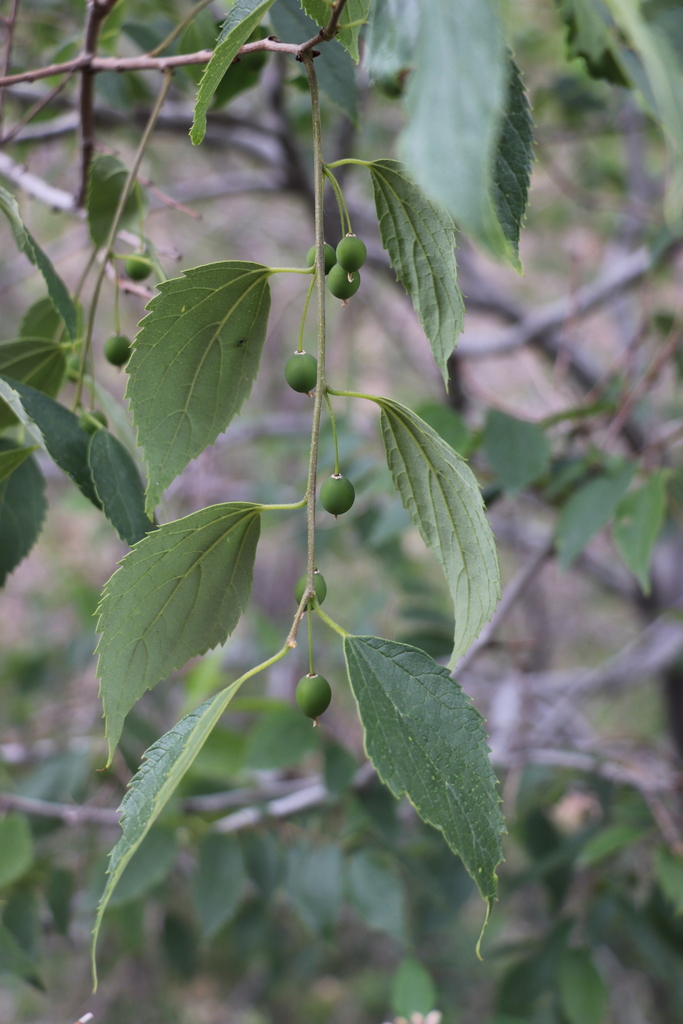
Celtis caucasica, commonly known as Caucasian hackberry, is a medium to large deciduous tree with a rounded crown and smooth, greyish bark. Its leaves are oval and toothed, and it produces small, pea-like edible fruits that mature from green to orange or reddish. It is an excellent choice as an ornamental tree in parks, large gardens, or as a street tree in urban areas, providing shade and seasonal appeal.
Native range
Caucasus, Turkey, and the Middle East
Care tips
It prefers full sun exposure, although it tolerates some partial shade. It is very drought-tolerant once established, requiring moderate watering only during prolonged dry spells or in its early years. It adapts to a wide range of soils, including poor and calcareous ones, as long as they have good drainage. A common mistake is overwatering in heavy soils, which can lead to root rot.
How to save a dying European nettle tree
- Warning signs
- Yellowing or browning leaves falling prematurely, dry twigs, lack of spring budding.
- First aid
- Check watering (well-drained soil), add organic matter, protect young trees from late frosts.
- What kills it
- Prolonged waterlogging (dislikes heavy soils) or extreme drought in its early years.
- Can it be saved?
- Yes, if addressed promptly. It's a resilient tree, but water stress is critical.