Oriental hackberry (Celtis tournefortii)
Care, watering, light and tips for Oriental hackberry on Floravia.
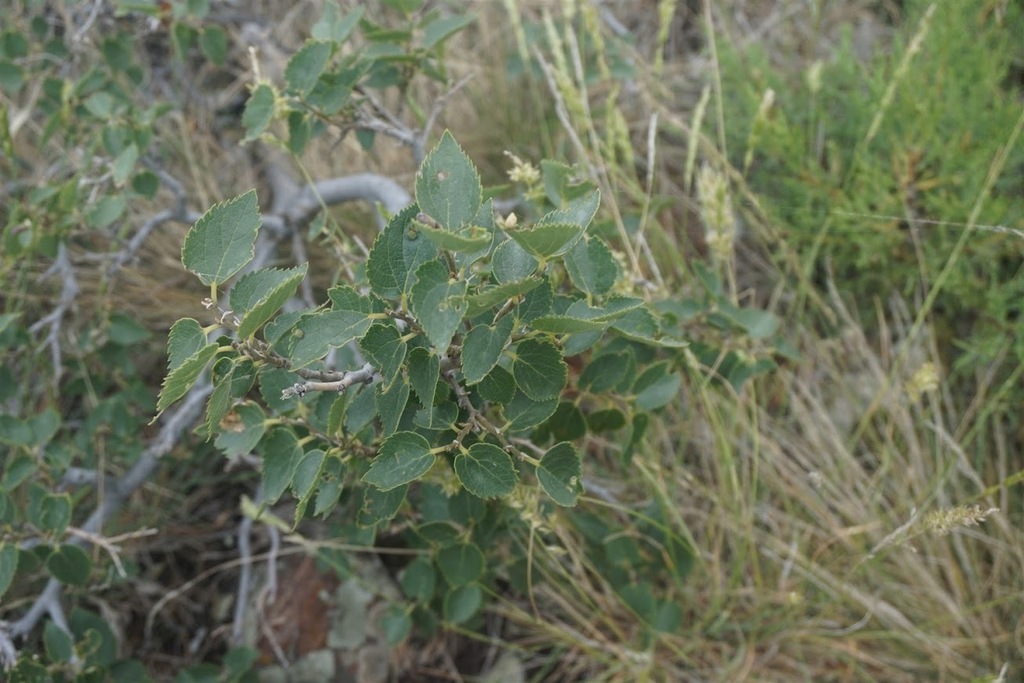
Quick facts
- Family: Cannabaceae
- Difficulty: Easy to care for
- Watering: every 7 days
- Light: Partial shade
- Temperature: 10–30 °C
About Oriental hackberry
Celtis tournefortii, known as Dardağan, is a medium-sized deciduous tree valued for its hardiness and dense foliage. Its leaves are dark green and toothed, and its bark is smooth when young, cracking with age. It is ideal for parks, large gardens, or as a shade tree in urban environments, adding a touch of resilience and natural beauty.
Native range
Eastern Mediterranean region, including Southeast Europe and Southwest Asia.
Care tips
It prefers full sun exposure for optimal growth, though it tolerates partial shade. It is very drought tolerant once established, requiring moderate watering only during prolonged dry periods. It adapts to a wide range of soils, as long as they have good drainage, including poor and calcareous ones. A common mistake is overwatering in heavy soils, which can lead to root rot.
How to save a dying Oriental hackberry
- Warning signs
- Wilting or yellowing leaves, drooping young shoots, dry branches. Defoliation may occur.
- First aid
- Check watering, ensure good drainage. Protect from extreme drought and strong winds. Prune dead branches.
- What kills it
- Constant waterlogging causing root rot or prolonged drought in young plants. Also, lack of light.
- Can it be saved?
- Yes, if roots are not completely rotted and there are still green shoots or viable buds.