Hackberry (Celtis spinosa)
Care, watering, light and tips for Hackberry on Floravia.
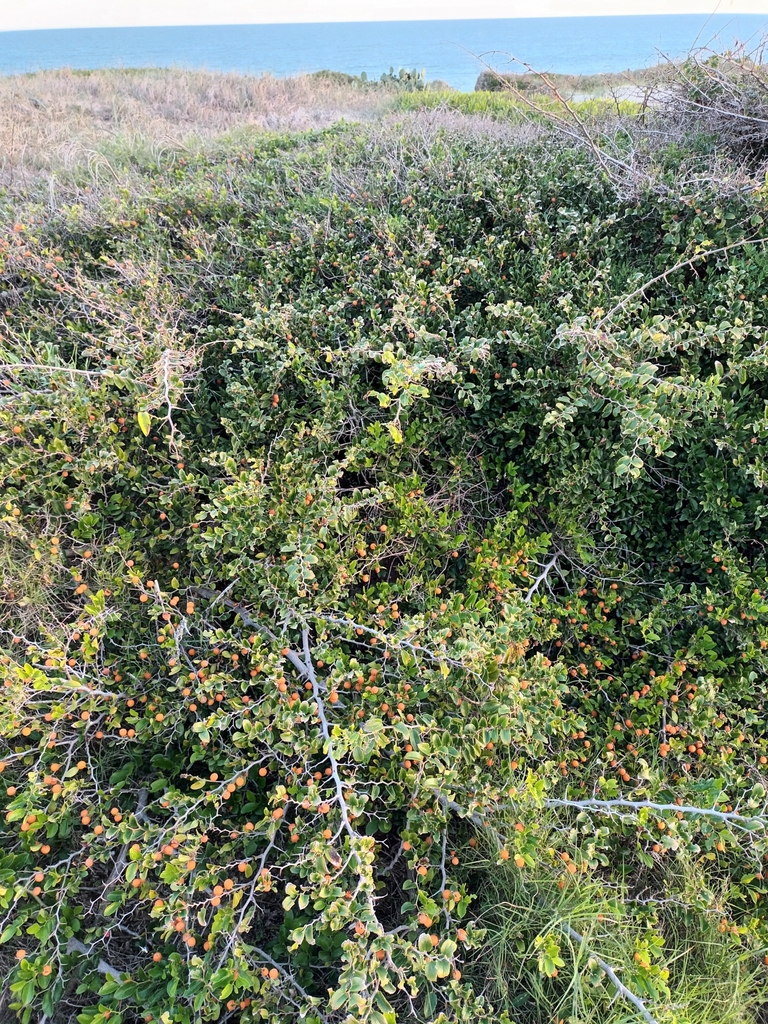
Quick facts
- Family: Cannabaceae
- Difficulty: Easy to care for
- Watering: every 7 days
- Light: Partial shade
- Temperature: 10–30 °C
About Hackberry
The Satajchi (Celtis spinosa) is a deciduous tree native to South America, recognized for its rapid growth and adaptability to various conditions. It features a spiny trunk, small, oval leaves, and produces spherical reddish-orange fruits. It's an excellent choice for large gardens, parks, or as a shade tree in urban areas, adding a wild and resilient touch.
Native range
South America, particularly in Argentina, Bolivia, Paraguay, and Uruguay.
Care tips
It prefers full sun exposure for optimal growth, although it tolerates partial shade. It is very drought-resistant once established, so watering should be moderate, allowing the substrate to dry out between waterings. It adapts to a wide range of soils, including poor and rocky ones, as long as they have good drainage. A common mistake is overwatering, which can lead to root rot; it's better to underwater than to overwater.
How to save a dying Hackberry
- Warning signs
- Yellow or brown leaves dropping prematurely, dry or brittle branches, stunted growth.
- First aid
- Check drainage, ensure proper watering (avoid waterlogging), protect young trees from harsh frost. Prune dead branches.
- What kills it
- Overwatering in heavy soils or prolonged drought in summer. Severe mechanical damage.
- Can it be saved?
- Generally yes, it's very resilient. Prompt action and problem correction are usually enough.