Cuscuta erosa
Care, watering, light and tips for Cuscuta erosa on Floravia.
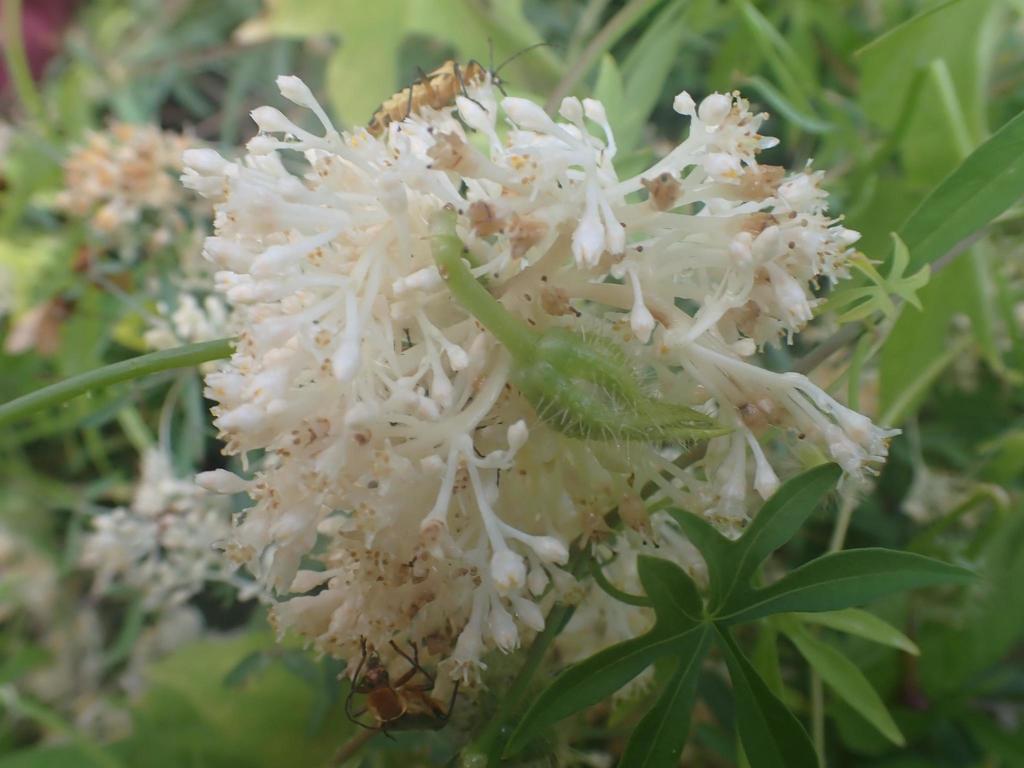
Quick facts
- Family: Convolvulaceae
- Difficulty: Demanding
- Watering: every 7 days
- Light: Partial shade
- Temperature: 10–30 °C
- Toxicity: Toxic to pets
About Cuscuta erosa
Cuscuta erosa, also known as 'Sonoran dodder', is an annual parasitic plant native to the southwestern United States and Mexico. It lacks leaves and roots, appearing as thin, filamentous yellow-orange stems that entwine themselves around host vegetation. It is a fascinating species for botanical study but is not cultivated for ornamental purposes nor recommended for introduction into gardens due to its parasitic nature.
Native range
Southwestern United States and northern Mexico
Care tips
As an obligate parasitic plant, Cuscuta erosa does not require traditional plant care. Its survival is entirely dependent on finding a suitable host plant from which to extract nutrients and water. It is not watered or provided with substrate, and any attempt to cultivate it independently will result in its demise. The common mistake to avoid is trying to grow it as a non-parasitic plant.
How to save a dying Cuscuta erosa
- Warning signs
- Discoloration, dry and brittle stems, or stunted growth. As a parasitic plant, its death indicates its host is suffering or has died.
- First aid
- If the host plant is healthy, water lightly and ensure adequate light. If the host dies, the Cuscuta will die with it.
- What kills it
- Cuscuta depends on a living host; the host's death is its demise. It cannot survive alone.
- Can it be saved?
- Only if its host plant is healthy and alive. If the host dies, Cuscuta cannot be saved.