Dodder (Cuscuta epithymum)
Care, watering, light and tips for Dodder on Floravia.
Quick facts
- Family: Convolvulaceae
- Difficulty: Demanding
- Watering: every 7 days
- Light: Partial shade
- Temperature: 10–30 °C
- Toxicity: Toxic to pets
About Dodder
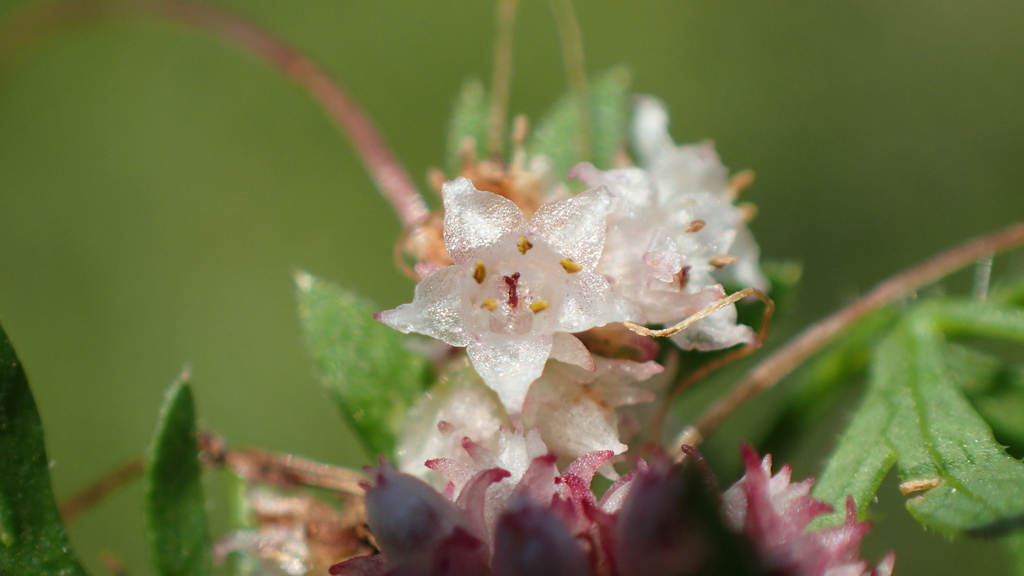
Cuscuta epithymum, commonly known as dodder or thyme dodder, is an annual parasitic plant that lacks chlorophyll, giving it a distinctive reddish or orange hue. Its slender, filamentous stems twine around host plants, from which it extracts nutrients. It is not cultivated as an ornamental plant, as its parasitic nature makes it a pest for other species.
Native range
Europe, Asia, and North Africa
Care tips
Since Cuscuta epithymum is a parasitic plant, it is not 'cultivated' in the traditional sense. Its 'care' involves control and eradication to protect host plants. Preventing its spread is crucial, as its seeds can remain viable in the soil for years. Early manual removal is the most effective method to prevent significant damage to susceptible plants.
How to save a dying Dodder
- Warning signs
- Discoloration, thinning, and poor adhesion to the host plant.
- First aid
- Identify and isolate the affected host plant. Carefully remove dodder threads manually, ensuring no fragments are left.
- What kills it
- Not acting promptly. Dodder is an aggressive parasite that quickly depletes its host. Mistaking it for another plant.
- Can it be saved?
- Yes, if acted upon quickly and completely removed before it spreads and weakens the host too much.