Hedge bindweed (Calystegia sepium)
Care, watering, light and tips for Hedge bindweed on Floravia.
Quick facts
- Family: Convolvulaceae
- Difficulty: Easy to care for
- Watering: every 3 days
- Light: Partial shade
- Temperature: 10–30 °C
- Toxicity: Toxic to pets
About Hedge bindweed
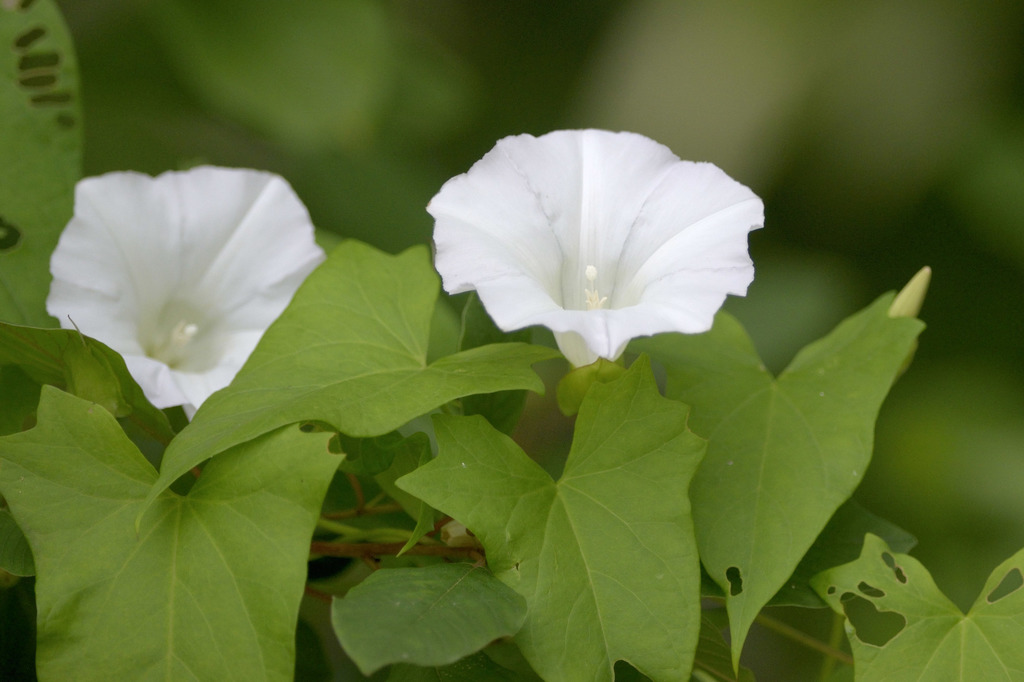
Calystegia sepium, commonly known as hedge bindweed or greater bindweed, is a perennial climbing plant from the Convolvulaceae family, characterized by its beautiful white or pink trumpet-shaped flowers that bloom in summer. It is a native species to Europe and Asia, and can be found on roadsides, hedges, and waste grounds. Although its flowers are attractive, its vigorous growth makes it an invasive plant in many ecosystems.
Native range
Europe and temperate Asia
Care tips
Due to its invasive nature, Calystegia sepium is rarely cultivated intentionally. If found in the garden, rigorous control is crucial to prevent its spread: manual removal of roots and the entire plant is recommended. It prefers full sun to partial shade and moist but well-drained soils. Avoid leaving root fragments in the soil, as they can easily regenerate new plants, which is a common mistake contributing to its persistence.
How to save a dying Hedge bindweed
- Warning signs
- Yellowing or wilting leaves, weak and lifeless stems.
- First aid
- Transplant to a less competitive spot or large pot, ensure good drainage.
- What kills it
- Drowning from excess moisture or suffocation by competing plants.
- Can it be saved?
- Yes! It's very resilient. Remove damaged parts and give it space to grow.