Dodder (Cuscuta monogyna)
Care, watering, light and tips for Dodder on Floravia.
Quick facts
- Family: Convolvulaceae
- Difficulty: Demanding
- Watering: every 7 days
- Light: Partial shade
- Temperature: 10–30 °C
- Toxicity: Toxic to pets
About Dodder
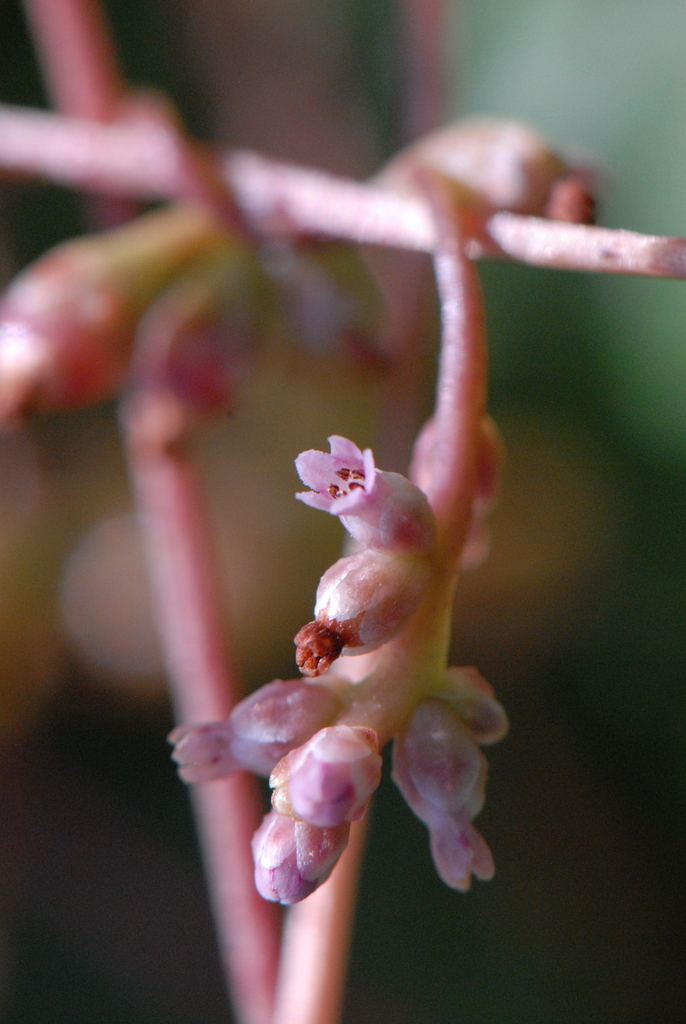
Cuscuta monogyna, or Cuscute à un style, is an annual parasitic plant characterized by its slender, filamentous, yellowish to reddish stem, lacking true leaves. It twines around other plants, extracting nutrients through haustoria. Its ethereal appearance and unique life form make it more of a botanical curiosity than an ornamental plant to display alone, being more commonly found in its natural habitat parasitizing shrubs and trees.
Native range
Europe and temperate Asia
Care tips
As an obligate parasitic plant, Cuscuta monogyna is not cultivated in the traditional sense. Its 'care' involves ensuring the presence of a suitable host plant for it to establish and grow. It does not require direct watering or fertilization, as it obtains everything it needs from its host. The main 'mistake' to avoid would be attempting to grow it without a host plant, as it cannot survive independently.
How to save a dying Dodder
- Warning signs
- Dry, brittle stems, lacking characteristic reddish or yellowish vigor. Absence of its haustoria sucking the host plant.
- First aid
- If the host plant is dying, remove the Cuscuta and find a new healthy host. Ensure haustoria attach.
- What kills it
- Not finding a suitable host or the host dying. Cuscuta is an obligate parasite and cannot live without another plant.
- Can it be saved?
- Yes, if quickly transferred to a healthy host before its nutrient reserves are completely depleted.