Moth mullein (Verbascum blattaria)
Care, watering, light and tips for Moth mullein on Floravia.
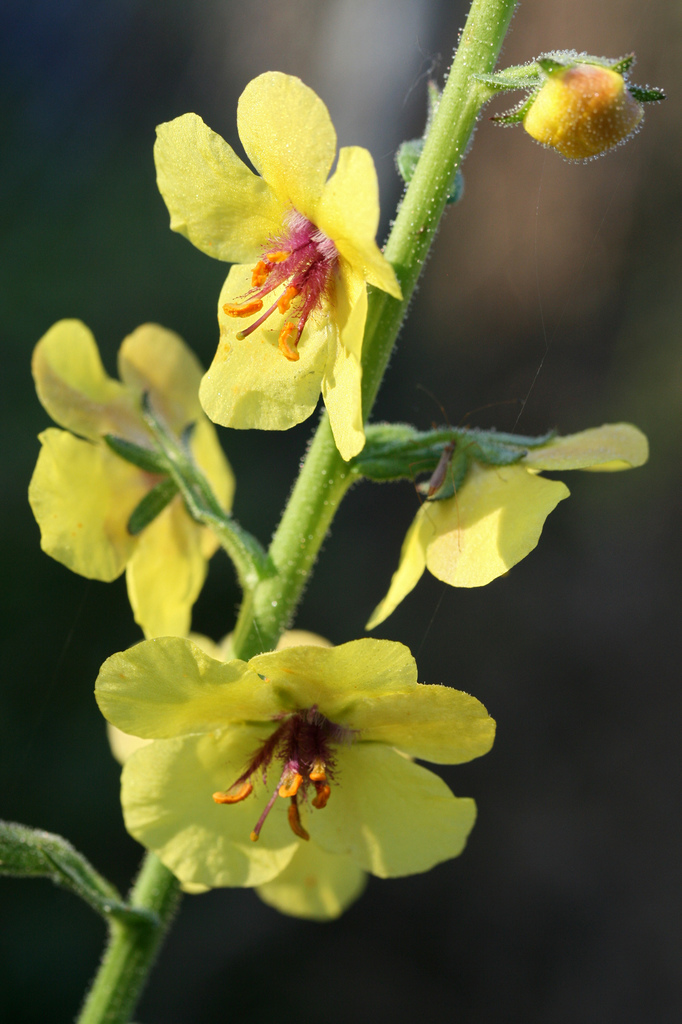
Quick facts
- Family: Scrophulariaceae
- Difficulty: Easy to care for
- Watering: every 7 days
- Light: Partial shade
- Temperature: 10–30 °C
- Toxicity: Toxic to pets
About Moth mullein
Verbascum blattaria, commonly known as moth mullein, is a biennial or short-lived perennial plant native to Eurasia, now naturalized in many parts of the world. It is notable for its tall flower spikes, which can exceed a meter in height, adorned with five-petaled flowers, typically yellow or white with a purple center. This plant is an excellent choice for naturalistic gardens, sunny borders, or wildflower meadows, where its vertical structure adds interest and attracts pollinators.
Native range
Europe and temperate Asia
Care tips
Verbascum blattaria thrives in full sun, requiring at least 6 hours of direct sunlight daily for optimal flowering. It prefers well-drained soil and is not particular about fertility, even tolerating poor soils; waterlogging is its main enemy. Once established, it is quite drought-tolerant, so watering should be moderate, allowing the substrate to dry out between waterings. Avoid excessive moisture around the base to prevent fungal diseases and root rot.
How to save a dying Moth mullein
- Warning signs
- Yellow, soft basal leaves, soft, dark stem (overwatering). Wilting, dry leaves or brown edges (underwatering/extreme heat).
- First aid
- If overwatered, repot in dry soil. If underwatered, water deeply and protect from direct sun.
- What kills it
- Excessive watering and poorly drained soils. Also prolonged drought and scorching sun in warm environments.
- Can it be saved?
- Yes, if you act quickly and correct the issue. It's a resilient plant.