Cape honeysuckle (Thunbergia capensis)
Care, watering, light and tips for Cape honeysuckle on Floravia.
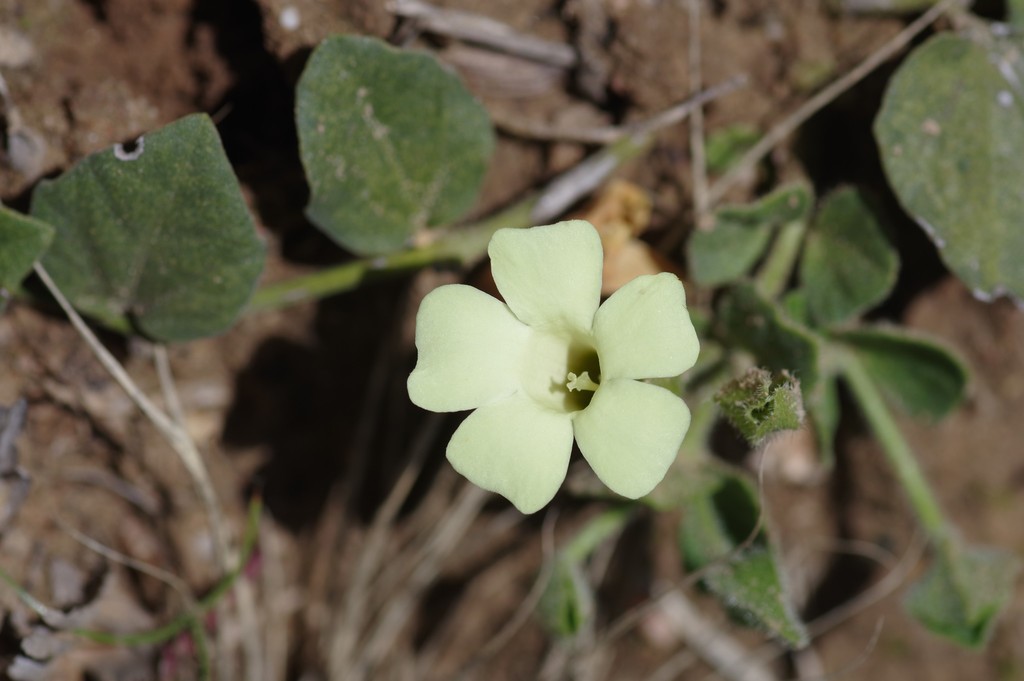
Quick facts
- Family: Acanthaceae
- Difficulty: Easy to care for
- Watering: every 3 days
- Light: Partial shade
- Temperature: 10–30 °C
About Cape honeysuckle
Thunbergia capensis, commonly known as Cape Clockvine, is a vigorous and fast-growing perennial climber native to South Africa. Its vibrant, trumpet-shaped yellow flowers, often with a dark eye, bloom profusely from late spring through autumn. It is ideal for covering pergolas, fences, or in hanging baskets where its floriferous stems can trail gracefully.
Native range
South Africa
Care tips
It requires full sun for optimal flowering, though it tolerates partial shade in very hot climates. Watering should be regular, keeping the soil moist but not waterlogged, especially during its blooming period. It prefers well-drained, organically rich soils; a common mistake is insufficient watering in summer, which can drastically reduce flowering. Prune lightly after flowering to maintain its shape and encourage denser growth.
How to save a dying Cape honeysuckle
- Warning signs
- Yellowish or whitish leaves, soft stems, sparse or no flowering, leaf drop.
- First aid
- Check watering (moist but not waterlogged soil), move to partial shade if sun is too strong, and fertilize lightly.
- What kills it
- Overwatering leading to root rot, or extreme underwatering in hot, dry climates. Also intense direct sun without acclimatization.
- Can it be saved?
- Yes! It's quite resilient. With proper care and patience, it usually recovers if the damage isn't severe.