Burning bush (Dictamnus dasycarpus)
Care, watering, light and tips for Burning bush on Floravia.
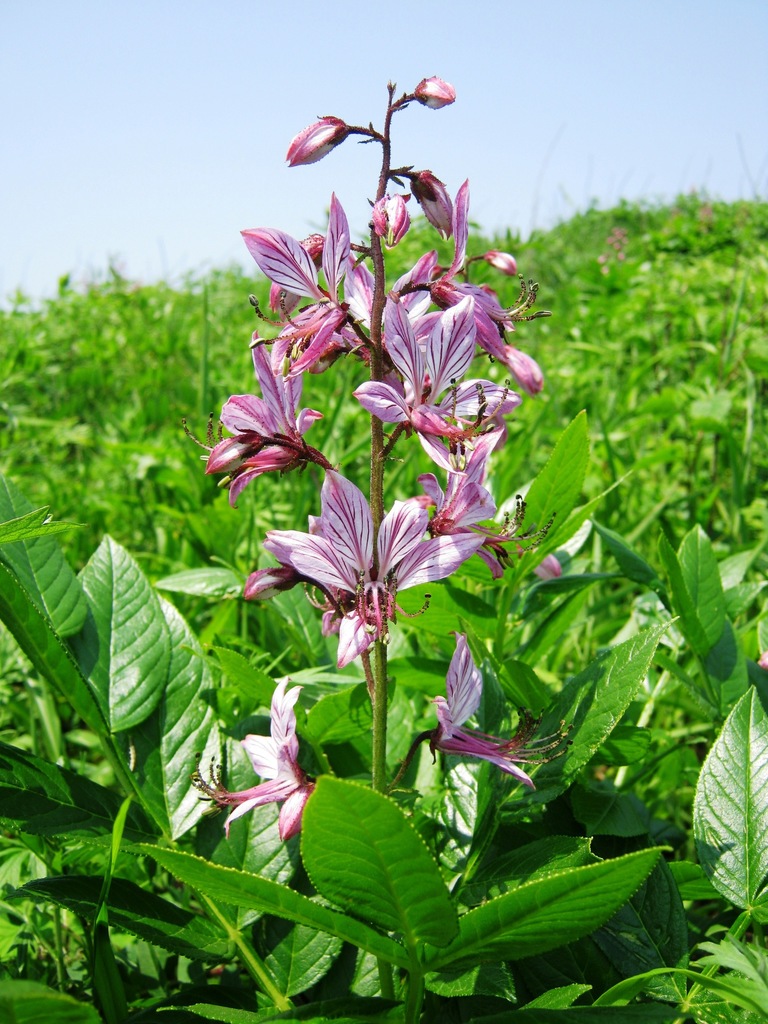
Quick facts
- Family: Rutaceae
- Difficulty: Demanding
- Watering: every 5 days
- Light: Full sun
- Temperature: 5–35 °C
- Toxicity: Toxic to pets
About Burning bush
Dictamnus dasycarpus, commonly known as Dense-fruit Dittany or Gas Plant, is a perennial herbaceous plant from the Rutaceae family, celebrated for its pale pink to purple spiky flowers and aromatic foliage. Its upright stems and striking blooms make it an excellent choice for perennial borders, sunny rock gardens, or as a focal point in cottage gardens. It is particularly prized for its hardiness and the curious property of releasing volatile oils that can ignite on warm, still nights (the 'burning bush' phenomenon).
Native range
Temperate Asia (China, Korea, Mongolia, Russian Far East) and Eastern Europe
Care tips
It thrives in full sun to light partial shade and well-drained soil, preferably alkaline or neutral. Once established, it is very drought-tolerant, so watering should be moderate, allowing the soil to dry out between waterings. Avoid transplanting it once rooted, as it does not tolerate root disturbance well; plant it in its final location from the beginning. A common mistake is attempting to move it once mature, which almost always leads to its decline.
How to save a dying Burning bush
- Warning signs
- Wilting, yellowing, or spotted leaves; premature flower/bud drop. Soft or rotten stem.
- First aid
- Check drainage. If waterlogged, remove plant, clean rotten roots, repot in dry, light substrate. If dry, water moderately.
- What kills it
- Prolonged waterlogging is its worst enemy, causing root rot. Intense direct sun in hot climates can also scorch it.
- Can it be saved?
- Yes, if you act quickly. The key is correcting watering and ensuring good drainage. With patience, it can recover.