Chinese sumac (Rhus chinensis)
Care, watering, light and tips for Chinese sumac on Floravia.
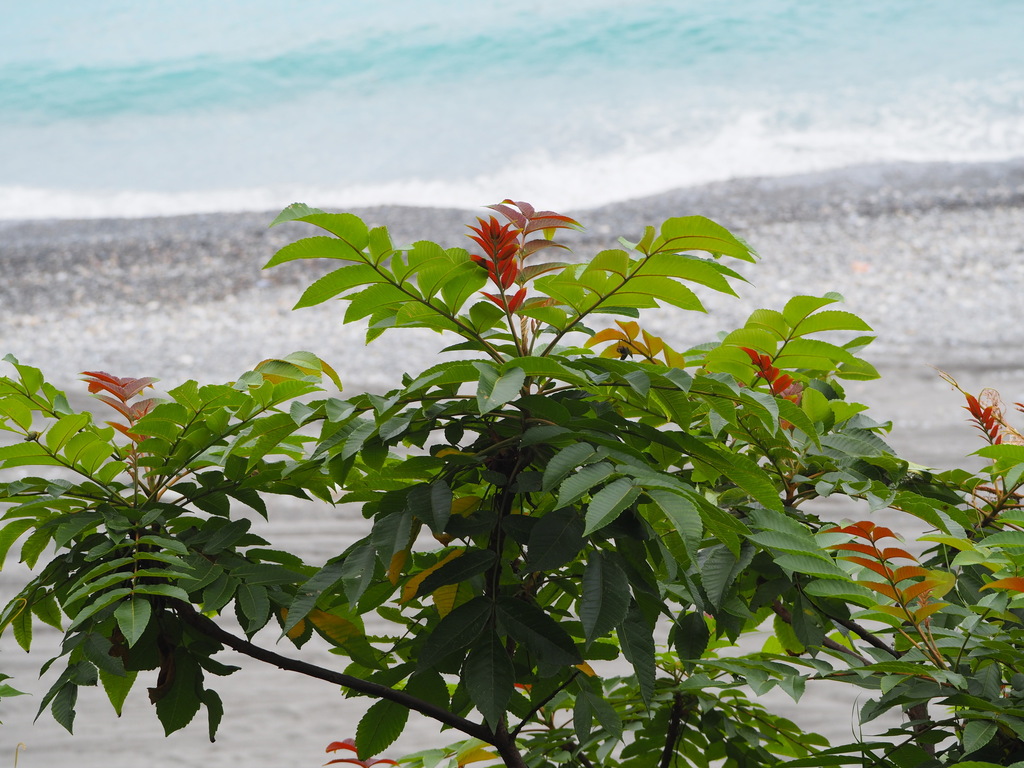
Quick facts
- Family: Anacardiaceae
- Difficulty: Moderate care
- Watering: every 7 days
- Light: Partial shade
- Temperature: 10–30 °C
- Toxicity: Toxic to pets
About Chinese sumac
Rhus chinensis, commonly known as Chinese sumac, is a deciduous shrub or small tree prized for its spectacular autumn foliage, ranging from vibrant oranges and reds to deep purples. Its large, attractive pinnate leaves are complemented in summer by panicles of creamy-white flowers, which give way to clusters of hairy red fruits. It's an excellent choice for low-maintenance gardens, as a specimen plant, or in shrub borders, providing seasonal interest.
Native range
East Asia (China, Japan, Korea, and Southeast Asia)
Care tips
It thrives in full sun to achieve the best autumn colors, though it tolerates some partial shade. It is adaptable to a wide range of soils, provided they are well-drained, and is quite drought-tolerant once established. Avoid overwatering, especially in heavy soils, as this can lead to root rot issues. A common mistake is planting it in very confined spaces, as it can spread via suckers if not managed.
How to save a dying Chinese sumac
- Warning signs
- Wilted, yellowing, or spotted leaves. Stunted growth. Soft or dry stems.
- First aid
- Check drainage and soil moisture. Prune dead branches, improve ventilation. Protect from extreme sun.
- What kills it
- Constant waterlogging or prolonged drought. Lack of light or late frosts. Poor soil.
- Can it be saved?
- Yes, if you act quickly. Good drainage and proper watering are key to its recovery. Good luck!