Atlas pistachio (Pistacia atlantica)
Care, watering, light and tips for Atlas pistachio on Floravia.
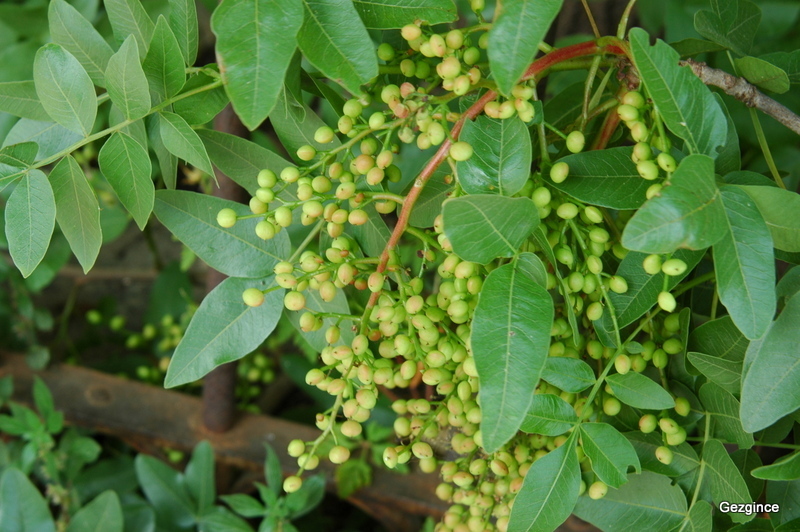
Quick facts
- Family: Anacardiaceae
- Difficulty: Easy to care for
- Watering: every 10 days
- Light: Partial shade
- Temperature: 10–30 °C
About Atlas pistachio
Pistacia atlantica, commonly known as the Atlantic mastic tree, is a medium to large deciduous or semi-deciduous tree native to arid and semi-arid regions. It stands out for its dense, bright green foliage that can turn reddish in autumn, and for its robust, often twisted trunk, making it a majestic specimen for parks, large gardens, or as a shade tree in Mediterranean landscapes.
Native range
North Africa, Middle East, and the Eastern Mediterranean
Care tips
It requires full sun and is extremely drought-tolerant once established, so watering should be sparse and infrequent, especially in winter. It prefers well-drained soils, preferably sandy or rocky, and does not tolerate waterlogging. A common mistake is overwatering, which can lead to root rot; it is crucial to allow the substrate to dry out completely between waterings.
How to save a dying Atlas pistachio
- Warning signs
- Yellowing or browning, wilting leaves, premature leaf drop. Atlas pistachio is tough, these signal severe stress.
- First aid
- Check watering (likely underwatered), ensure good drainage. Protect from late frosts if young or recently transplanted.
- What kills it
- Overwatering (root rot) or prolonged drought during establishment. Waterlogging is its worst enemy.
- Can it be saved?
- Yes, if roots aren't completely rotted. Act fast to correct watering and drainage. Give it time to recover.