Blackcurrant (Ribes nigrum)
Care, watering, light and tips for Blackcurrant on Floravia.
Quick facts
- Family: Grossulariaceae
- Difficulty: Easy to care for
- Watering: every 3 days
- Light: Partial shade
- Temperature: 10–30 °C
About Blackcurrant
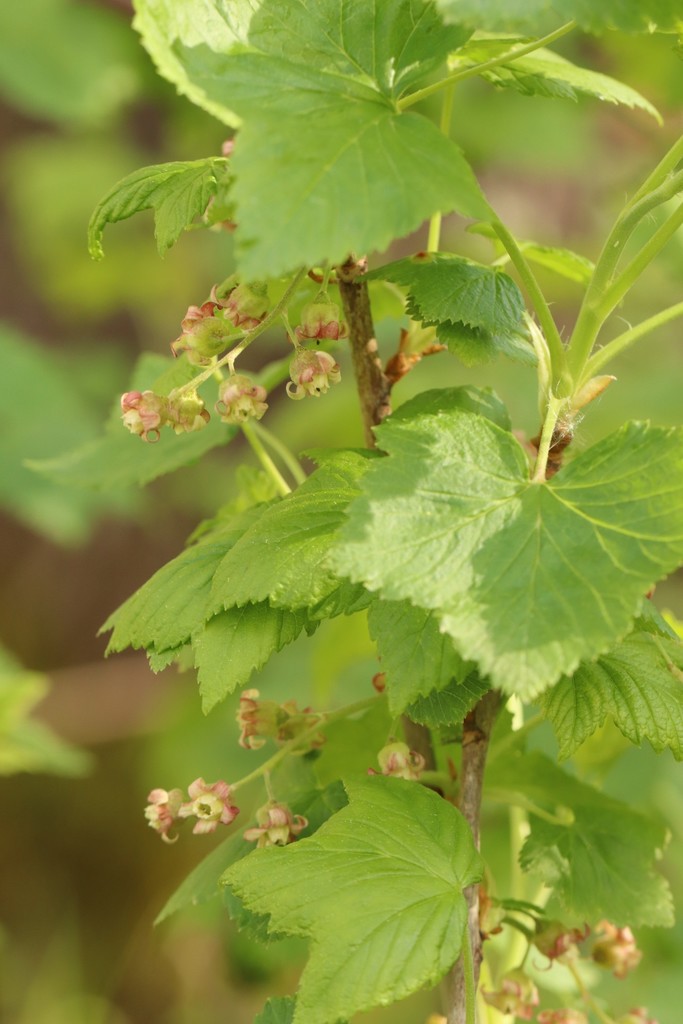
Blackcurrant (Ribes nigrum) is a deciduous shrub from the Grossulariaceae family, prized for its dark, aromatic fruits, rich in vitamin C. Its lobed leaves and discreet flowers give way to clusters of glossy black berries that ripen in summer. It is ideal for orchards, edible gardens, or as a fruiting hedge in temperate climates.
Native range
Europe and Northern Asia
Care tips
It prefers full sun exposure or light partial shade, which promotes good fruiting. It needs fertile, well-drained, and slightly acidic soil, maintaining consistent moisture, especially during flowering and fruit development. Avoid waterlogging, which can lead to fungal diseases, and prune annually to remove old branches and encourage new fruiting wood. A common mistake is not protecting it from late frosts, which can damage the flowers.
How to save a dying Blackcurrant
- Warning signs
- Yellow or reddish leaves falling, small or absent berries, dry stems. Indicates water or nutrient stress.
- First aid
- Check watering (constant moisture, not waterlogged). Apply gentle organic fertilizer. Protect from intense direct sun.
- What kills it
- Prolonged drought, poor soil, or constant waterlogging. Doesn't tolerate extreme heat without good humidity.
- Can it be saved?
- Yes, if roots are not rotted. With proper watering and nutrition, it usually recovers.