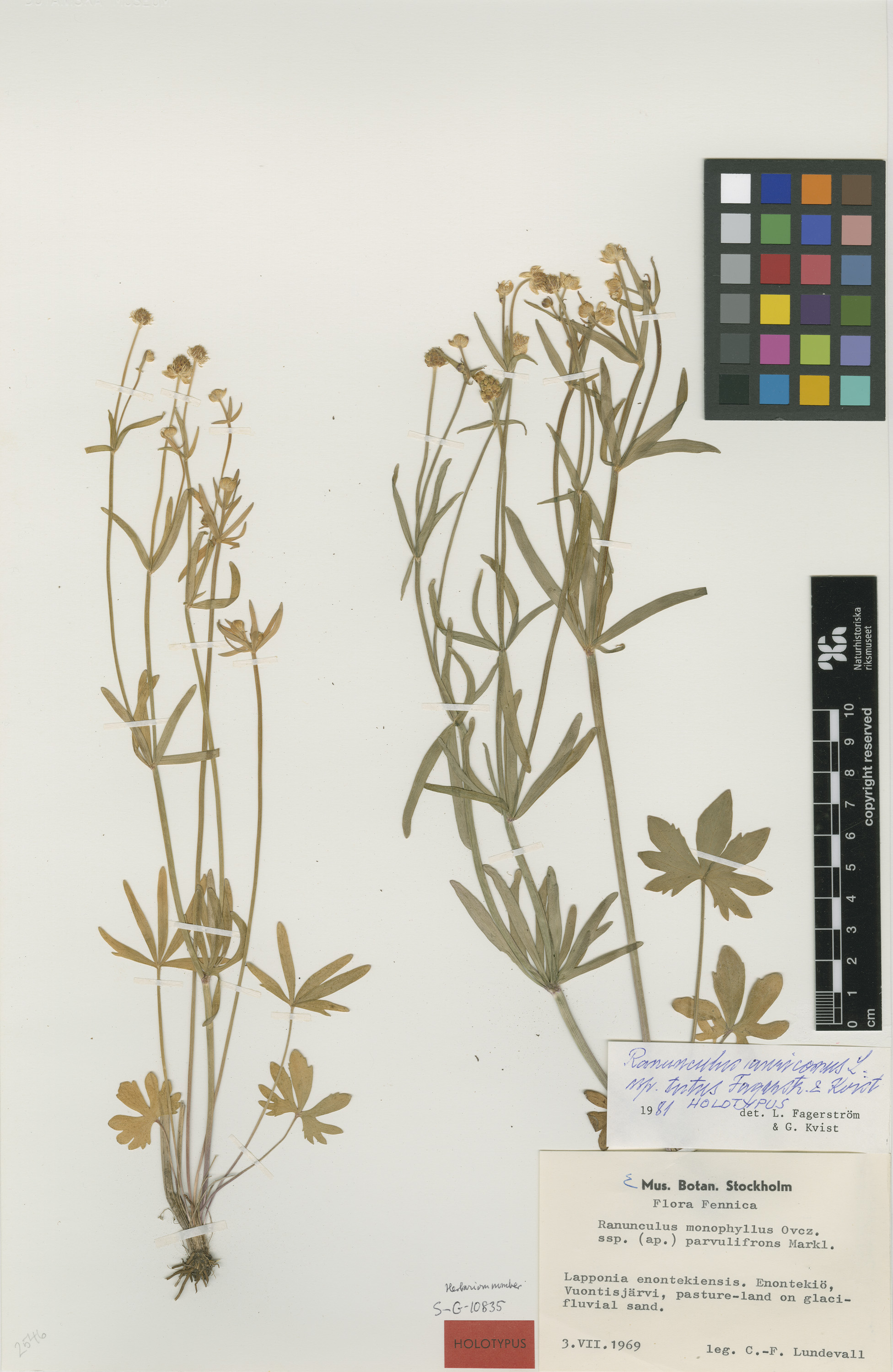
Persian buttercup (Ranunculus tutus)
Care, watering, light and tips for Persian buttercup on Floravia.
Quick facts
- Family: Ranunculaceae
- Difficulty: Moderate care
- Watering: every 7 days
- Light: Partial shade
- Temperature: 10–30 °C
- Toxicity: Toxic to pets
About Persian buttercup
Ranunculus tutus, known as selkokevätleinikki, is a small and charming perennial plant from the Ranunculaceae family, forming low, compact clumps. Its delicate, often bright yellow flowers emerge in early spring, creating a vibrant tapestry. It is ideal for rock gardens, path borders, or as ground cover in partial shade gardens, bringing a touch of spring color and cheer.
Native range
Europe and Western Asia
Care tips
It prefers partial to full shade, avoiding direct afternoon sun exposure which can scorch its delicate leaves and flowers. Keep the substrate consistently moist, especially during the flowering period, but ensure good drainage to prevent waterlogging and root rot. It needs an organically rich, well-drained, and slightly acidic soil. A common mistake is planting it in heavy, clayey soils, which can lead to drainage issues and diseases.
How to save a dying Persian buttercup
- Warning signs
- Yellowing or brown, wilting leaves, soft or rotten stems. Lack of flowering or dry flowers.
- First aid
- Check drainage and soil moisture. Ensure good ventilation. Prune damaged parts. Repot if needed.
- What kills it
- Overwatering (especially in winter) and poor drainage. Also intense heat and prolonged direct sun.
- Can it be saved?
- Yes, if acted upon quickly. The key is to correct watering and environment.