Apennine anemone (Anemone apennina)
Care, watering, light and tips for Apennine anemone on Floravia.
Quick facts
- Family: Ranunculaceae
- Difficulty: Moderate care
- Watering: every 7 days
- Light: Partial shade
- Temperature: 10–30 °C
- Toxicity: Toxic to pets
About Apennine anemone
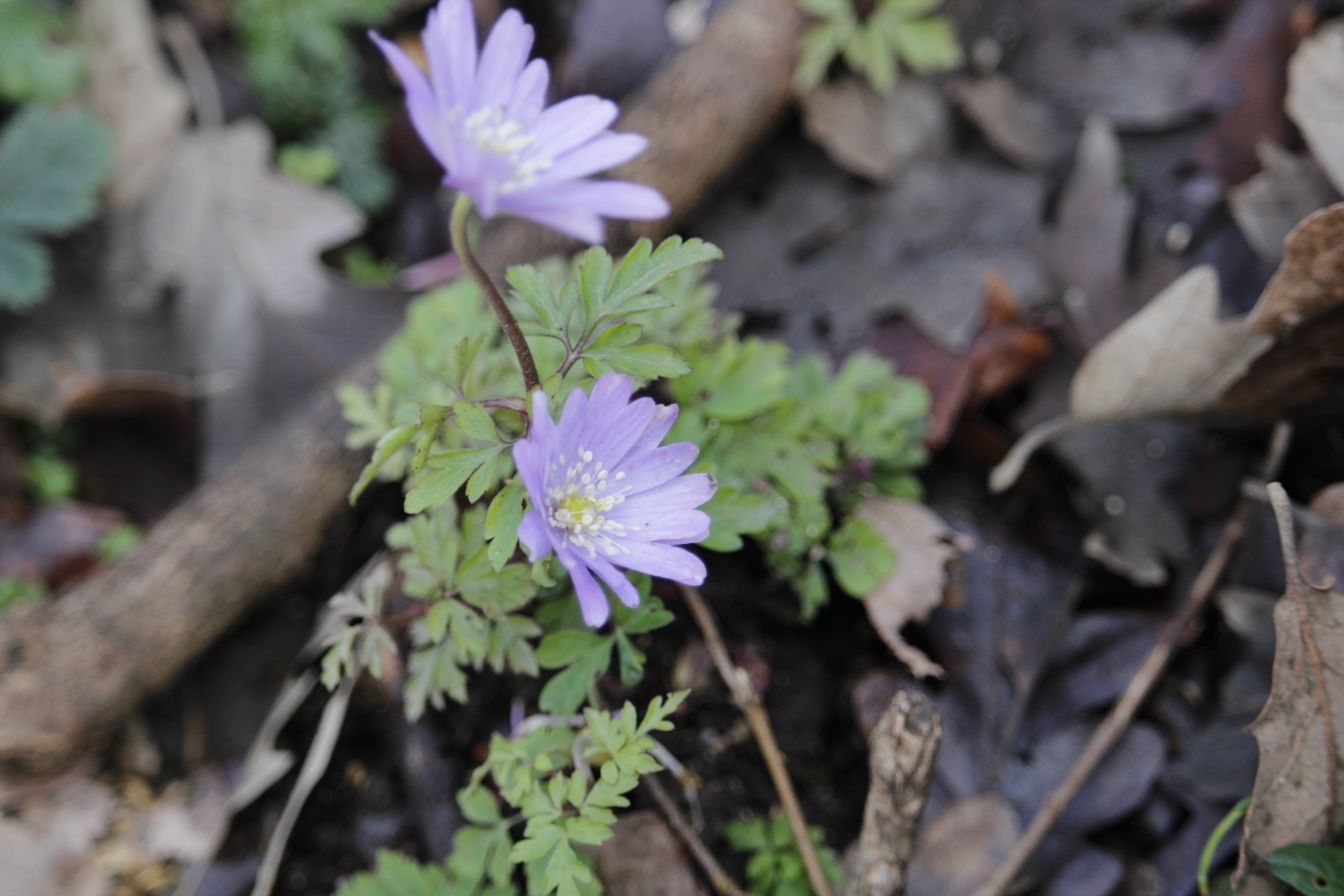
Anemone apennina, commonly known as Apennine anemone, is a delicate wild flower that graces European woodlands with its star-shaped, violet-blue, white, or pale pink blooms in spring. Its silken petals and finely divided foliage create an ethereal look, ideal for shady borders, rock gardens, or beneath deciduous trees, where it readily naturalizes to form beautiful floral carpets.
Native range
Mediterranean region of Europe
Care tips
It prefers partial to full shade, especially in warmer climates, and well-drained, humus-rich, slightly acidic soil. Keep the substrate moist during its spring growth and flowering period, but reduce watering once the foliage begins to yellow. A common mistake is planting it in heavy, poorly-drained soils, which can lead to rhizome rot. It does not require excessive fertilization; a little compost in autumn is sufficient.
How to save a dying Apennine anemone
- Warning signs
- Yellowing or wilting leaves, soft stems, scarce or no flowering.
- First aid
- Move to partial shade, improve drainage, water moderately only when soil is dry.
- What kills it
- Overwatering (rots rhizomes), intense direct sun, heavy poorly drained soils.
- Can it be saved?
- Yes, if acted upon quickly. Check rhizomes; if healthy, there's hope.