Pheasant's eye (Adonis annua)
Care, watering, light and tips for Pheasant's eye on Floravia.
Quick facts
- Family: Ranunculaceae
- Difficulty: Easy to care for
- Watering: every 7 days
- Light: Partial shade
- Temperature: 10–30 °C
- Toxicity: Toxic to pets
About Pheasant's eye
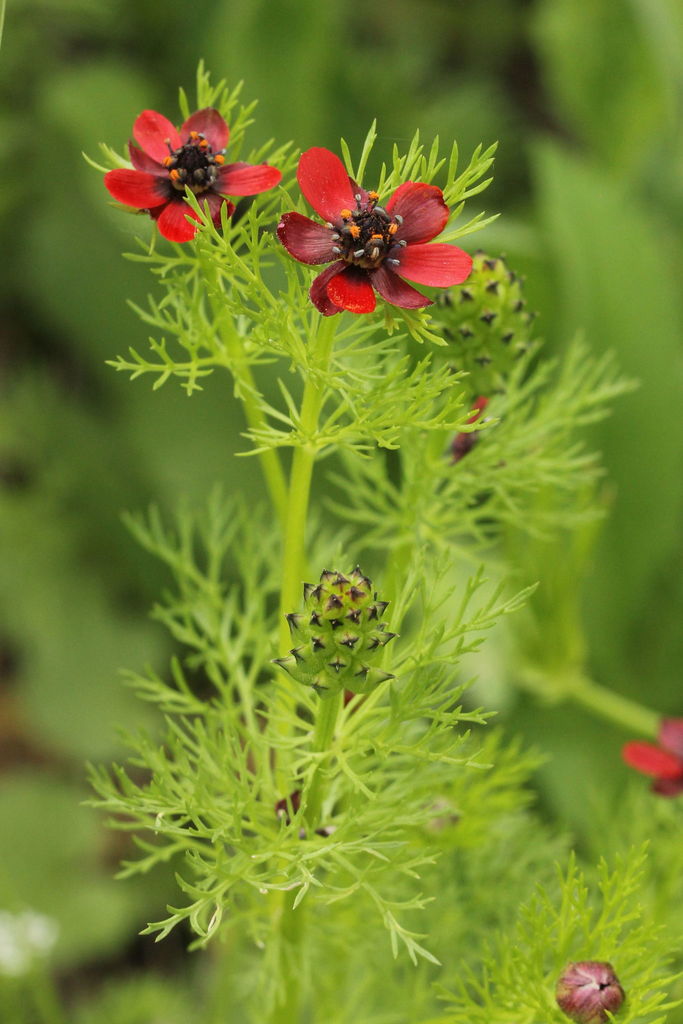
Adonis annua, commonly known as Pheasant's Eye, is an annual herbaceous plant belonging to the Ranunculaceae family, valued for its vibrant red or scarlet flowers with a dark center. Its delicate, poppy-like blooms make it ideal for borders, wildflower beds, or as part of a cottage-style garden. It flowers from late spring to early summer, adding an intense splash of color to the landscape.
Native range
Europe and Western Asia
Care tips
It requires full sun exposure for optimal flowering, though it can tolerate some partial shade in very hot climates. It prefers well-drained, fertile, and slightly alkaline soils; avoid waterlogging, as it is sensitive to excessive moisture. Watering should be moderate, keeping the substrate moist but not saturated, especially during dry periods. A common mistake is planting it in heavy, poorly draining soils, which can lead to root rot.
How to save a dying Pheasant's eye
- Warning signs
- Wilting, yellowing, or dark-spotted leaves. Stunted growth, dropped or unopened flowers.
- First aid
- Replant in well-drained, organically rich soil. Water moderately, avoiding waterlogging. Protect from intense direct sun.
- What kills it
- Overwatering causing root rot or complete lack of water. Poor or compacted soils. Prolonged strong sun exposure.
- Can it be saved?
- Yes, if roots aren't completely rotted and action is swift. Requires patience and proper conditions.