Monkshood (Aconitum plicatum)
Care, watering, light and tips for Monkshood on Floravia.
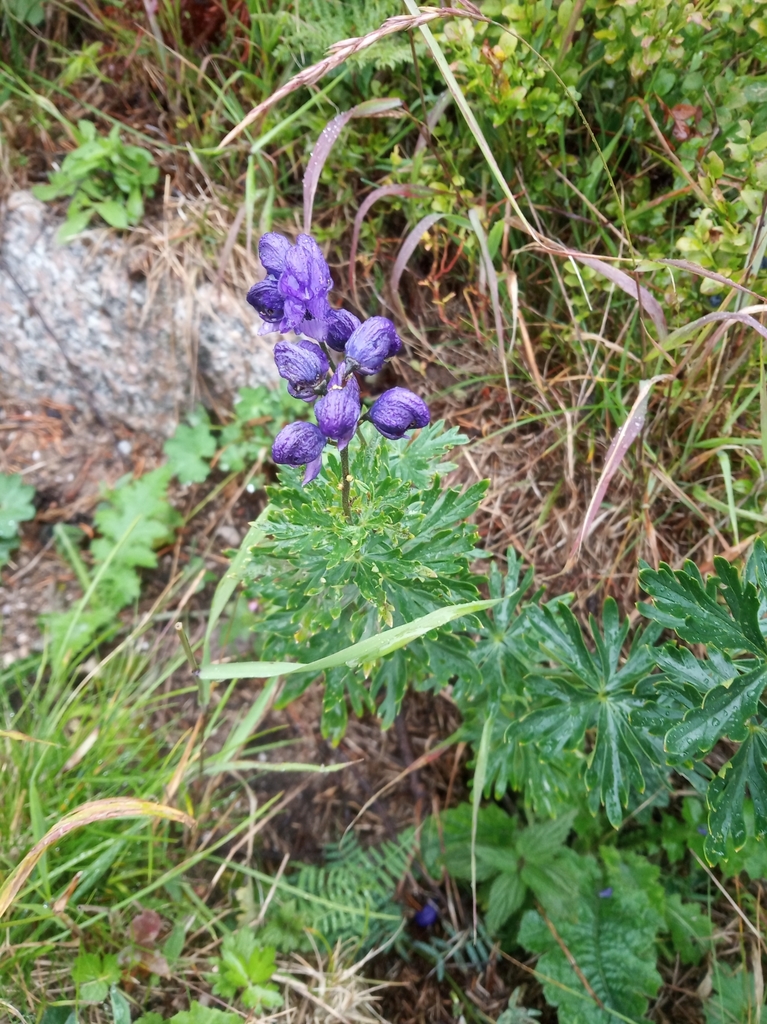
Quick facts
- Family: Ranunculaceae
- Difficulty: Demanding
- Watering: every 7 days
- Light: Partial shade
- Temperature: 10–30 °C
- Toxicity: Toxic to pets
About Monkshood
Aconitum plicatum, commonly known as Sudeten-Eisenhut or Carpathian Monkshood, is a perennial herbaceous plant from the Ranunculaceae family, prized for its spikes of intense blue or violet flowers resembling small helmets. It grows upright, reaching significant heights, and is ideal for adding a dramatic, wild touch to woodland gardens, partial shade borders, or perennial beds. Its beauty contrasts with its highly toxic nature, making it more suitable for gardens without small children or curious pets.
Native range
Mountains of Central Europe (Carpathians, Sudetes, Eastern Alps)
Care tips
It prefers a location with partial shade or filtered light, as direct sun can scorch its leaves, especially in warm climates. Keep the substrate consistently moist but well-drained; waterlogging is detrimental, so a soil rich in organic matter is ideal. Avoid handling the plant without gloves, as all its parts are highly poisonous; ingestion or contact with the sap can be dangerous. This is not a plant for beginners or for homes with pets or small children due due to its extreme toxicity.
How to save a dying Monkshood
- Warning signs
- Wilted or yellowing leaves, soft stems, stunted growth. May indicate overwatering or root suffocation.
- First aid
- Check soil: if soggy, stop watering, improve drainage. If dry, water moderately. Keep away from drafts.
- What kills it
- Overwatering and poor drainage. Also strong direct sun or poor soil. Sensitive to root disturbance.
- Can it be saved?
- Yes, if you act fast. Good drainage and moderate watering are key. If root rot is severe, it might be difficult.