Mountain pasqueflower (Pulsatilla montana)
Care, watering, light and tips for Mountain pasqueflower on Floravia.
Quick facts
- Family: Ranunculaceae
- Difficulty: Demanding
- Watering: every 7 days
- Light: Partial shade
- Temperature: 10–30 °C
- Toxicity: Toxic to pets
About Mountain pasqueflower
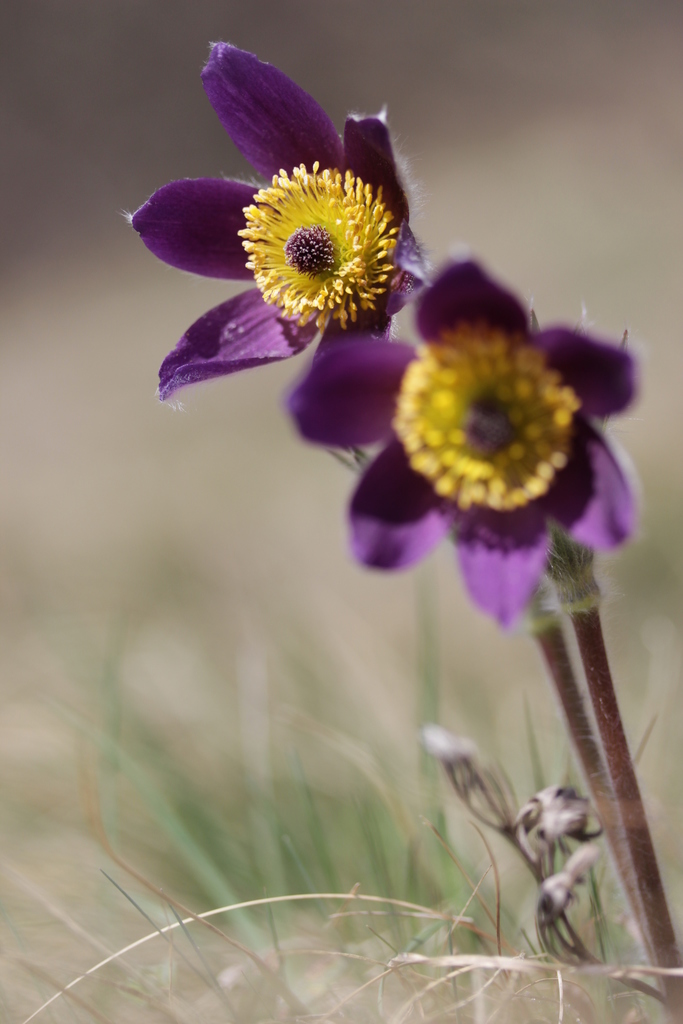
Pulsatilla montana, or Mountain Pasqueflower, is a beautiful perennial herb known for its delicate, bell-shaped flowers that emerge in spring, often in deep purple hues. Its finely divided leaves and soft appearance make it ideal for rock gardens, alpine settings, or sunny borders where its early bloom can be appreciated. It adds a touch of wild grace and early-season color.
Native range
Mountains of Central and Southern Europe
Care tips
It prefers full sun to light partial shade and well-drained, sandy or rocky soil with a neutral to slightly alkaline pH. Watering should be moderate, allowing the substrate to dry out between waterings, and it's crucial to avoid waterlogging, as its roots are sensitive to excessive moisture. A common mistake is trying to transplant it once established, as it does not tolerate root disturbance well; it's best to plant it in its final location from the start.
How to save a dying Mountain pasqueflower
- Warning signs
- Soft, yellowing or blackened leaves, drooping stems. Lack of flowering or prematurely wilted flowers.
- First aid
- Move to a cool, well-ventilated spot with bright indirect light. Check drainage and soil moisture. If waterlogged, repot into dry soil. If dry, water moderately.
- What kills it
- Excessive moisture and suffocating heat are its worst enemies. It dislikes heavy soils and waterlogging, which rots its roots.
- Can it be saved?
- Yes, if roots are not completely rotted. Act quickly by correcting watering and improving soil aeration.