Lousewort (Staphisagria macrosperma)
Care, watering, light and tips for Lousewort on Floravia.
Quick facts
- Family: Ranunculaceae
- Difficulty: Moderate care
- Watering: every 7 days
- Light: Partial shade
- Temperature: 10–30 °C
- Toxicity: Toxic to pets
About Lousewort
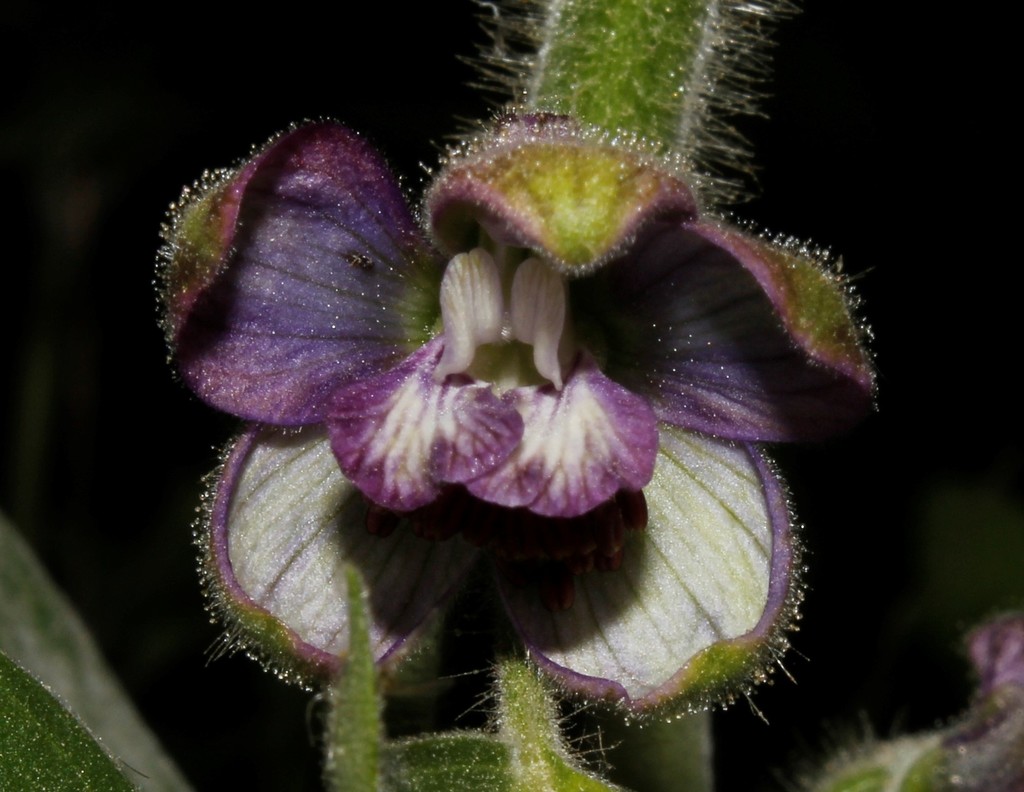
Staphisagria macrosperma, also known as lice herb or stavesacre, is a perennial herbaceous plant from the Ranunculaceae family, characterized by its showy blue or violet flowers arranged in racemes and its lobed foliage. It can grow up to 1.5 meters tall, adding a wild and elegant touch to country-style or naturalistic gardens, especially in borders or beds. Its fruits are conspicuous follicles containing large seeds, giving it its specific name.
Native range
Mediterranean region (southern Europe, North Africa, and Western Asia)
Care tips
This plant prefers full sun to light partial shade, which promotes more abundant flowering. It requires well-drained soil, rich in organic matter, and slightly alkaline; avoid waterlogging, as it is susceptible to root rot. Watering should be moderate, allowing the top layer of the substrate to dry out between waterings, and it is crucial to avoid using non-specific pesticides, as the entire plant is toxic and should be handled with caution, especially its seeds.
How to save a dying Lousewort
- Warning signs
- Wilting, yellowing or spotted leaves, premature flower or fruit drop.
- First aid
- Check watering, ensure good drainage, and place in partial shade if sun is intense. Protect from strong winds.
- What kills it
- Excessive root moisture (rot) or prolonged drought. Intense direct sun also harms it.
- Can it be saved?
- Yes, if you act quickly to correct watering and exposure. It's resilient but doesn't tolerate waterlogging.