Monkshood (Aconitum toxicum)
Care, watering, light and tips for Monkshood on Floravia.
Quick facts
- Family: Ranunculaceae
- Difficulty: Demanding
- Watering: every 7 days
- Light: Partial shade
- Temperature: 10–30 °C
- Toxicity: Toxic to pets
About Monkshood
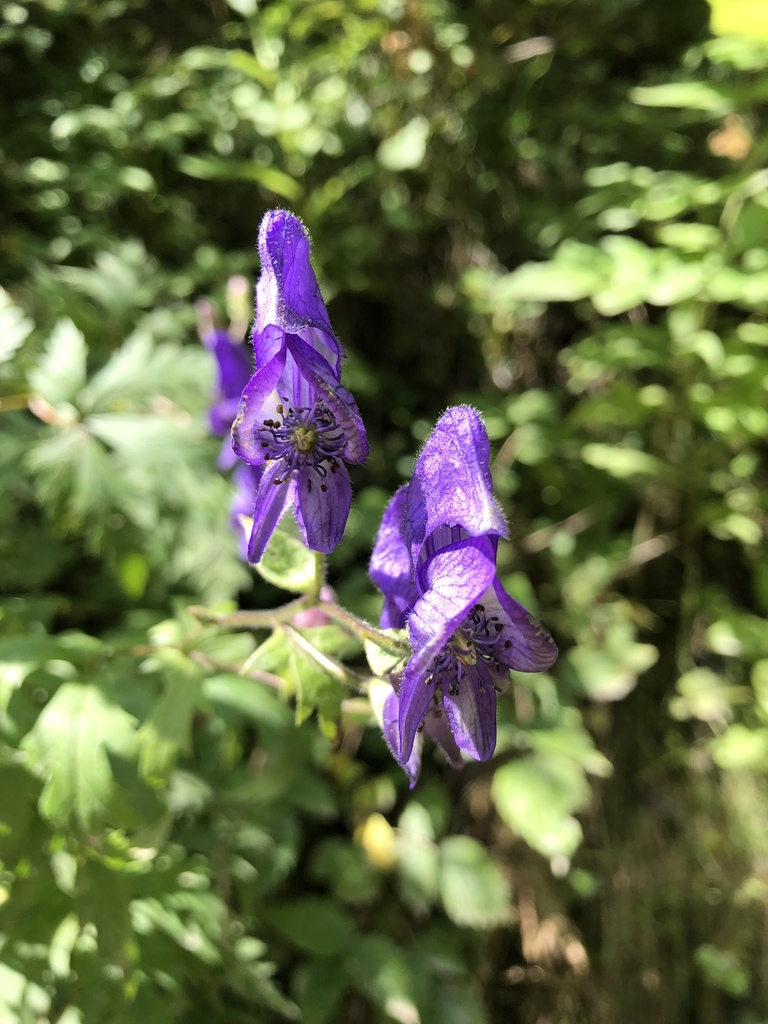
Aconitum toxicum, also known as prúbica jedovatá, is a perennial herbaceous plant of the Ranunculaceae family, characterized by its beautiful dark blue to violet helmet-shaped flowers. It is a striking ornamental plant for partial shade gardens or woodland borders, although it must be handled with extreme caution due to its high toxicity. Its erect stems and lobed leaves complement the beauty of its racemose inflorescences.
Native range
Mountains of Central and Eastern Europe
Care tips
It prefers locations with partial shade or filtered light, as direct sun exposure can scorch its leaves. The ideal substrate should be rich in organic matter, moist but well-drained, avoiding waterlogging that would rot its roots. Keep the soil consistently moist with regular watering, especially during dry periods, but allow the top layer to dry slightly between waterings. A common mistake is to underestimate its toxicity; always wear gloves when handling it and avoid skin contact or ingestion.
How to save a dying Monkshood
- Warning signs
- Yellow or wilted leaves, soft or rotting stems from the base. Soft, dark roots.
- First aid
- Remove plant from pot. Cut off rotten roots. Repot in new, well-draining substrate. Drastically reduce watering.
- What kills it
- Aconitum is extremely sensitive to overwatering and poor drainage, quickly rotting its roots.
- Can it be saved?
- Yes, if rot hasn't affected most of the root system and main stems. Act quickly.