Buckwheat (Fagopyrum esculentum)
Care, watering, light and tips for Buckwheat on Floravia.
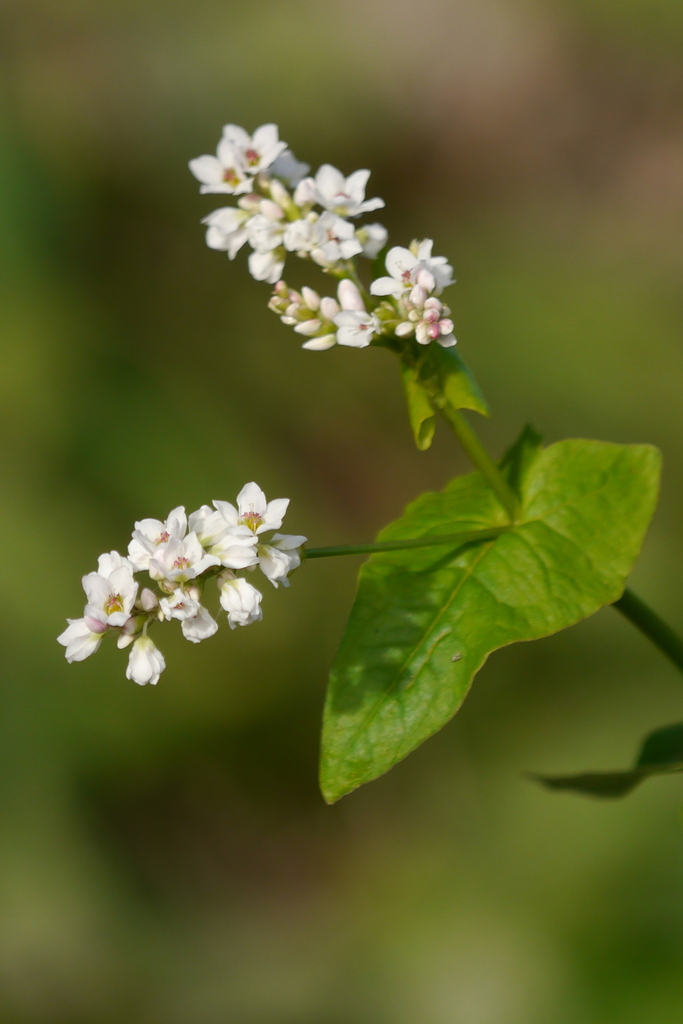
Quick facts
- Family: Polygonaceae
- Difficulty: Easy to care for
- Watering: every 7 days
- Light: Partial shade
- Temperature: 10–30 °C
- Toxicity: Toxic to pets
About Buckwheat
Buckwheat (Fagopyrum esculentum) is a fast-growing annual herbaceous plant, valued for its nutritious grains and its use as a cover crop. It features reddish stems, heart-shaped leaves, and small white or pink flowers that attract pollinators. It's an excellent choice for permaculture gardens, vegetable patches, or as a soil-improving plant.
Native range
Central and East Asia, particularly the mountainous regions of Tibet and Southwest China.
Care tips
It prefers full sun to partial shade and well-drained soils, although it tolerates a wide range of soil types. Watering should be regular to keep the substrate slightly moist, especially during flowering. Avoid nitrogen-rich fertilizers, as they can promote leafy growth at the expense of grain production. It is not demanding in terms of substrate, but it benefits from organic matter for good development.
How to save a dying Buckwheat
- Warning signs
- Yellowish or reddish, wilted leaves, drooping stems. May lack flowering or grain development.
- First aid
- Check watering (avoids waterlogging, extreme drought). Ensure good light, well-drained soil. Apply mild fertilizer.
- What kills it
- Overwatering (root rot) or prolonged drought. Insufficient light or compacted soil. Sensitive to frost.
- Can it be saved?
- Yes, if the cause is corrected promptly. It's an annual plant, its life cycle is limited.