Common knotgrass (Polygonum arenastrum)
Care, watering, light and tips for Common knotgrass on Floravia.
Quick facts
- Family: Polygonaceae
- Difficulty: Easy to care for
- Watering: every 7 days
- Light: Partial shade
- Temperature: 10–30 °C
- Toxicity: Toxic to pets
About Common knotgrass
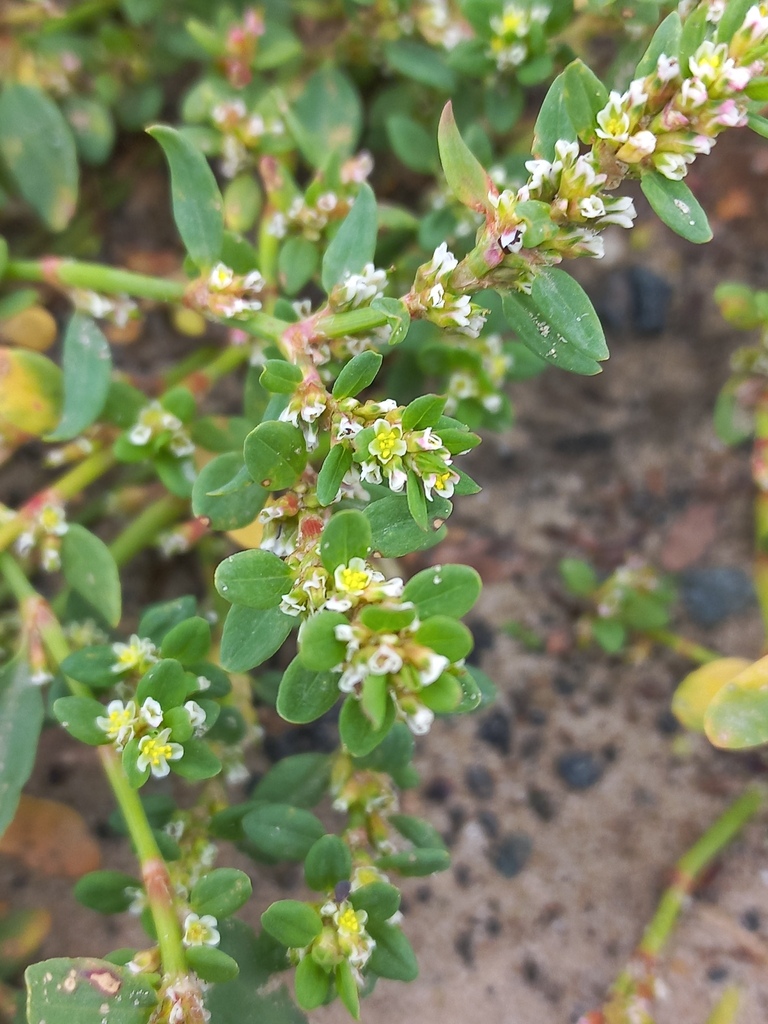
Polygonum arenastrum, commonly known as Sand Knotweed or Common Knotgrass, is a small annual herbaceous plant belonging to the Polygonaceae family, characterized by its prostrate or ascending stems and elliptical leaves. This ruderal species forms dense mats, making it ideal for covering bare ground in low-maintenance gardens or between paving stones, adding a wild and resilient touch. Its tiny greenish or pinkish flowers, clustered in the leaf axils, are inconspicuous but attract small pollinating insects.
Native range
Europe and temperate Asia
Care tips
This plant is extremely resilient and adapts to a wide range of conditions, preferring full sun to partial shade. It tolerates poor, dry, and compacted soils, but good drainage is crucial to prevent waterlogging, with sandy or gravelly substrates being ideal. Watering should be sporadic once established, as it is very drought-tolerant; the most common mistake is overwatering, which can lead to root rot. It does not require fertilization and propagates easily from seed.
How to save a dying Common knotgrass
- Warning signs
- Wilted, yellowing, or spotted leaves; soft stems. Could be over/underwatering or poor soil.
- First aid
- Adjust watering to climate. Check drainage if potted. Add compost if soil is poor.
- What kills it
- Constant waterlogging causing root rot, or prolonged drought. It's tough, but not invincible.
- Can it be saved?
- Yes, if you act quickly. It's a very hardy plant and recovers well with proper care.