Black-bindweed (Fallopia convolvulus)
Care, watering, light and tips for Black-bindweed on Floravia.
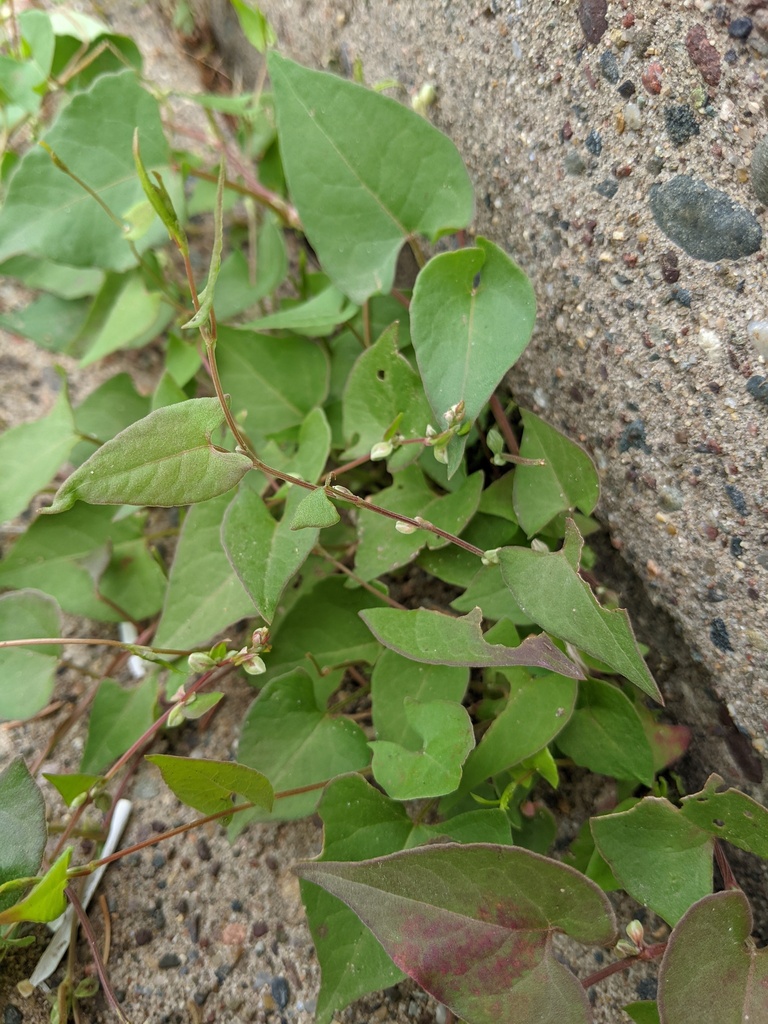
Quick facts
- Family: Polygonaceae
- Difficulty: Easy to care for
- Watering: every 7 days
- Light: Partial shade
- Temperature: 10–30 °C
- Toxicity: Toxic to pets
About Black-bindweed
Fallopia convolvulus, commonly known as black-bindweed or wild buckwheat, is an annual climbing herb belonging to the Polygonaceae family. It is characterized by its slender, twining stems that can reach up to 1.5 meters in length, with sagittate or heart-shaped leaves and small greenish or whitish flowers in axillary spikes. Although considered a weed in cultivated areas, its rapid growth and ability to cover surfaces make it suitable for wild gardens or as a groundcover in areas where spontaneous and natural growth is desired.
Native range
Europe and temperate Asia
Care tips
This plant prefers full sun to partial shade and is adaptable to a wide range of soils, though it thrives best in well-drained and fertile substrates. Watering should be moderate, allowing the soil to dry slightly between waterings, as it is tolerant of short dry periods. A common mistake is to underestimate its growth capacity; it is crucial to control its spread to prevent it from competing with other desired plants. It does not require excessive fertilization, as its growth is vigorous by nature.
How to save a dying Black-bindweed
- Warning signs
- Wilted, yellowing leaves or necrotic spots. Slow or no growth.
- First aid
- Carefully remove the plant, check roots for rot or pests. Replant in well-drained soil.
- What kills it
- Excessive moisture and poor drainage. It's tough, but waterlogging causes root rot.
- Can it be saved?
- Yes, if roots aren't completely rotted. Act quickly to aerate the substrate.