Prostrate knotweed (Polygonum aviculare)
Care, watering, light and tips for Prostrate knotweed on Floravia.
Quick facts
- Family: Polygonaceae
- Difficulty: Easy to care for
- Watering: every 7 days
- Light: Partial shade
- Temperature: 10–30 °C
- Toxicity: Toxic to pets
About Prostrate knotweed
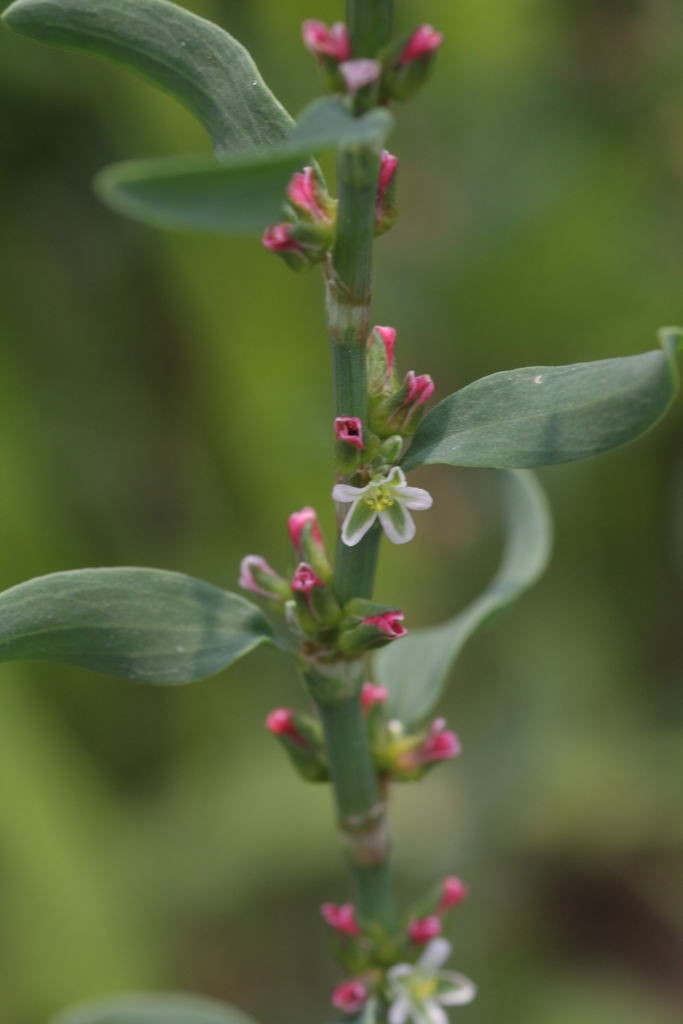
Polygonum aviculare, commonly known as 'common knotgrass' or 'birdweed', is a prostrate annual plant frequently found in paths and disturbed ground. Its reddish stems, small, oval, alternate leaves, and tiny white-pinkish flowers often make it overlooked, yet it's an excellent ground cover for compacted soils. Although often considered a weed, its resilience and adaptability make it an interesting choice for low-maintenance gardens or as a pioneer plant.
Native range
Europe and temperate Asia
Care tips
This plant is extremely adaptable and requires no specific care, thriving even in challenging conditions. It prefers full sun to partial shade and tolerates a wide range of soils, including poor and compacted ones, though it favors well-drained substrates. Watering should be moderate, as it is drought-tolerant once established; overwatering can be detrimental. A common mistake is trying to eradicate it completely instead of utilizing its resilience to cover difficult areas.
How to save a dying Prostrate knotweed
- Warning signs
- Yellowish or reddish leaves, weak or dry stems, stunted growth.
- First aid
- Move to indirect light, water moderately if soil is dry, remove damaged parts.
- What kills it
- Excessive moisture or complete lack of light; it's a tough plant that dislikes waterlogging.
- Can it be saved?
- Yes, it's very resilient. Act quickly, adjust watering and light, and it will recover.