Himalayan knotweed (Koenigia polystachya)
Care, watering, light and tips for Himalayan knotweed on Floravia.
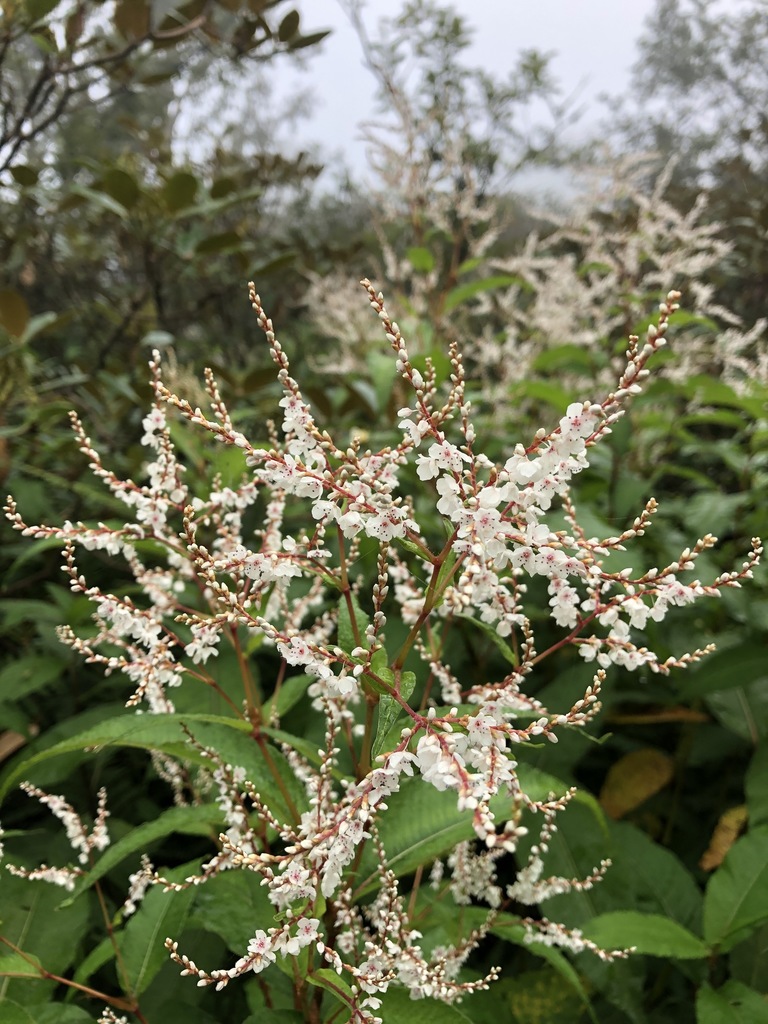
Quick facts
- Family: Polygonaceae
- Difficulty: Demanding
- Watering: every 7 days
- Light: Partial shade
- Temperature: 10–30 °C
- Toxicity: Toxic to pets
About Himalayan knotweed
Koenigia polystachya, also known as Himalayan knotweed, is a vigorous and fast-growing perennial plant native to the Himalayan mountains. It is characterized by its reddish stems, lance-shaped leaves, and spikes of white or pink flowers that appear in summer and autumn. It is ideal for covering large areas in wild gardens or as a background plant in borders, although its vigor requires control.
Native range
Himalayas, from Afghanistan to Southwest China
Care tips
It prefers full sun to partial shade and adapts to a wide range of soils, although it thrives in moist, well-drained soil. Watering should be regular to keep the substrate consistently moist, especially during dry periods, but avoid waterlogging. This is a very resilient plant and can become invasive if not controlled; regular pruning helps manage its size and spread. A common mistake is underestimating its growth capacity, which can lead to it outcompeting other plants.
How to save a dying Himalayan knotweed
- Warning signs
- Wilting or yellowing leaves, soft stems. Indicates water stress or excess moisture.
- First aid
- Check drainage and soil moisture. If potted, consider repotting.
- What kills it
- Constant waterlogging, which quickly rots its roots. Does not tolerate prolonged drought.
- Can it be saved?
- Yes, if roots are not completely rotted. Act quickly to adjust watering and drainage.