Sea lavender (Limonium anglicum)
Care, watering, light and tips for Sea lavender on Floravia.
Quick facts
- Family: Plumbaginaceae
- Difficulty: Easy to care for
- Watering: every 7 days
- Light: Partial shade
- Temperature: 10–30 °C
About Sea lavender
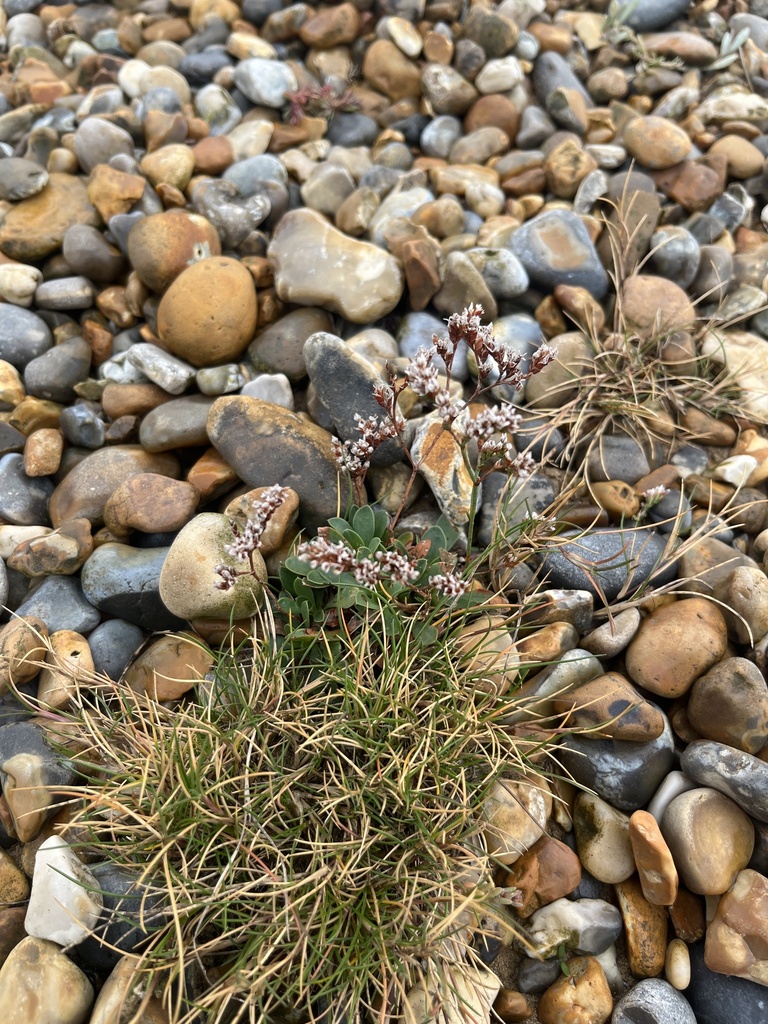
Limonium anglicum, commonly known as English sea-lavender, is a small, clump-forming perennial native to British coastlines. It features delicate pale mauve to lavender-blue flowers borne on branched spikes atop slender stems. It is ideal for coastal rockeries, gravel gardens, or as part of a naturalistic planting scheme, providing an ethereal and salt-tolerant touch.
Native range
Western Europe, including the British Isles and the Atlantic coast of France.
Care tips
This species thrives in full sun and tolerates drought conditions once established, so watering should be moderate and infrequent, especially in humid climates. It requires very well-drained soil, preferably sandy or gritty, and does not tolerate waterlogging. A common mistake is planting it in rich, moist soils, which can lead to root rot; it prefers poor, well-aerated conditions.
How to save a dying Sea lavender
- Warning signs
- Wilting or yellowing leaves, soft stems, poor or no flowering. Soft, dark roots.
- First aid
- Check drainage and substrate moisture. Ensure good ventilation. Remove damaged parts.
- What kills it
- Overwatering and waterlogged soil. Needs well-drained soil and direct sun.
- Can it be saved?
- Yes, if roots are not completely rotted. Repot into dry, well-drained substrate.