Common sea lavender (Limonium humile × vulgare)
Care, watering, light and tips for Common sea lavender on Floravia.
Quick facts
- Family: Plumbaginaceae
- Difficulty: Moderate care
- Watering: every 7 days
- Light: Partial shade
- Temperature: 10–30 °C
About Common sea lavender
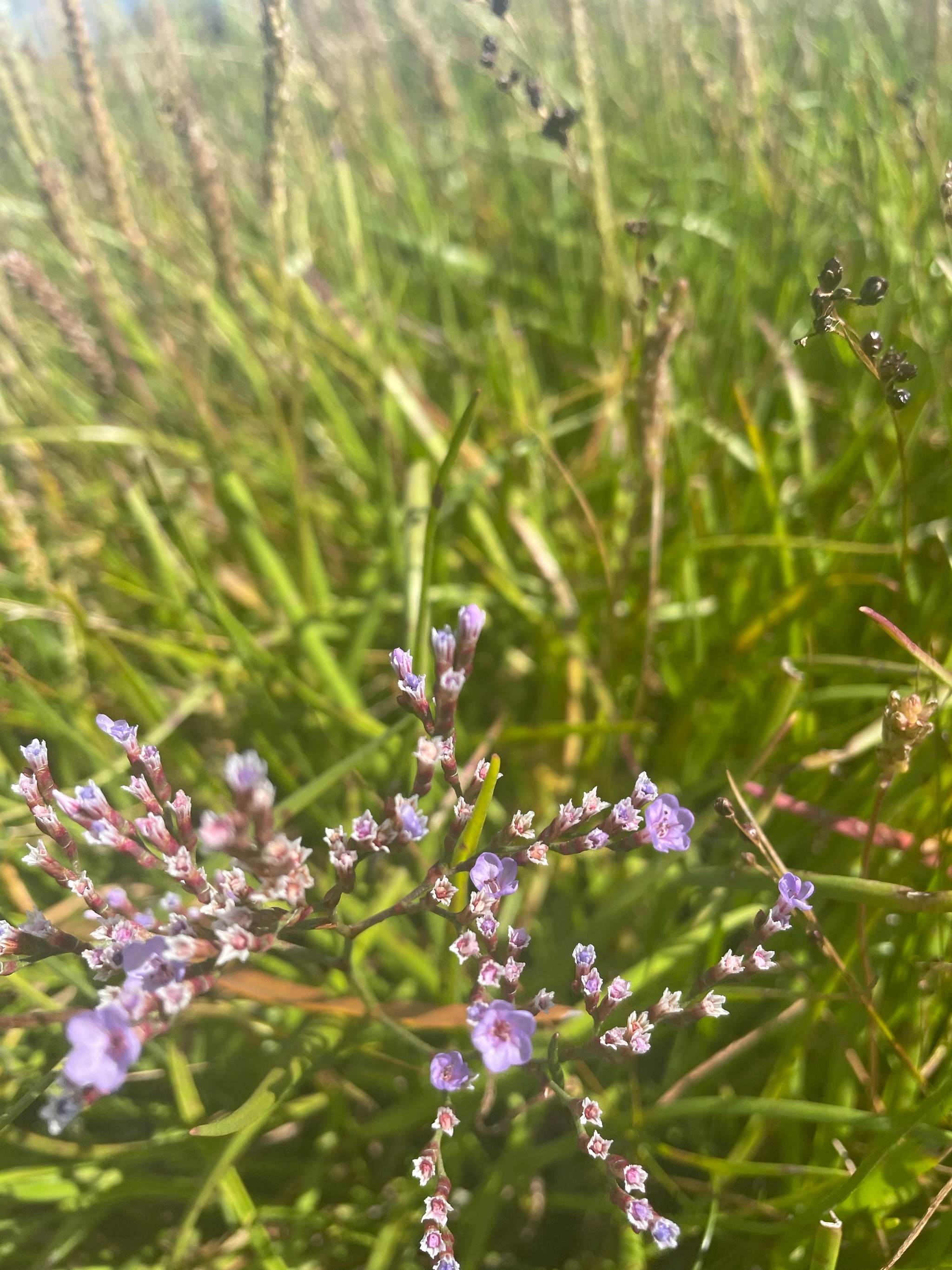
Limonium humile × vulgare is a sea lavender hybrid combining the delicate nature of Limonium humile with the robustness of Limonium vulgare. This perennial forms dense clumps of basal leaves and produces airy panicles of small, lavender to purple flowers, appearing from late summer to early autumn. It is ideal for coastal gardens, rockeries, or as a cut flower in dried arrangements, adding texture and a wild touch.
Native range
Artificial hybrid, no natural native origin
Care tips
It prefers full sun exposure for optimal flowering. This plant is drought-tolerant once established, so watering should be moderate, allowing the substrate to dry out completely between waterings. It requires well-drained soil, preferably sandy or gravelly, and does not tolerate waterlogging. Avoid overwatering, as it is the most common mistake leading to root rot.
How to save a dying Common sea lavender
- Warning signs
- Soft, yellowing, or wilting leaves. Flowers not opening or dropping prematurely. Soft or moldy roots.
- First aid
- Check drainage. If waterlogged, remove plant, trim rotten roots, and repot in dry, well-aerated substrate.
- What kills it
- Overwatering and poor drainage. This sea lavender prefers dry, well-ventilated soil and hates standing water.
- Can it be saved?
- Yes, if you act quickly. Eliminating excess moisture is key to its recovery. Give it sun and fresh air.