Sea lavender (Limonium maritimum)
Care, watering, light and tips for Sea lavender on Floravia.
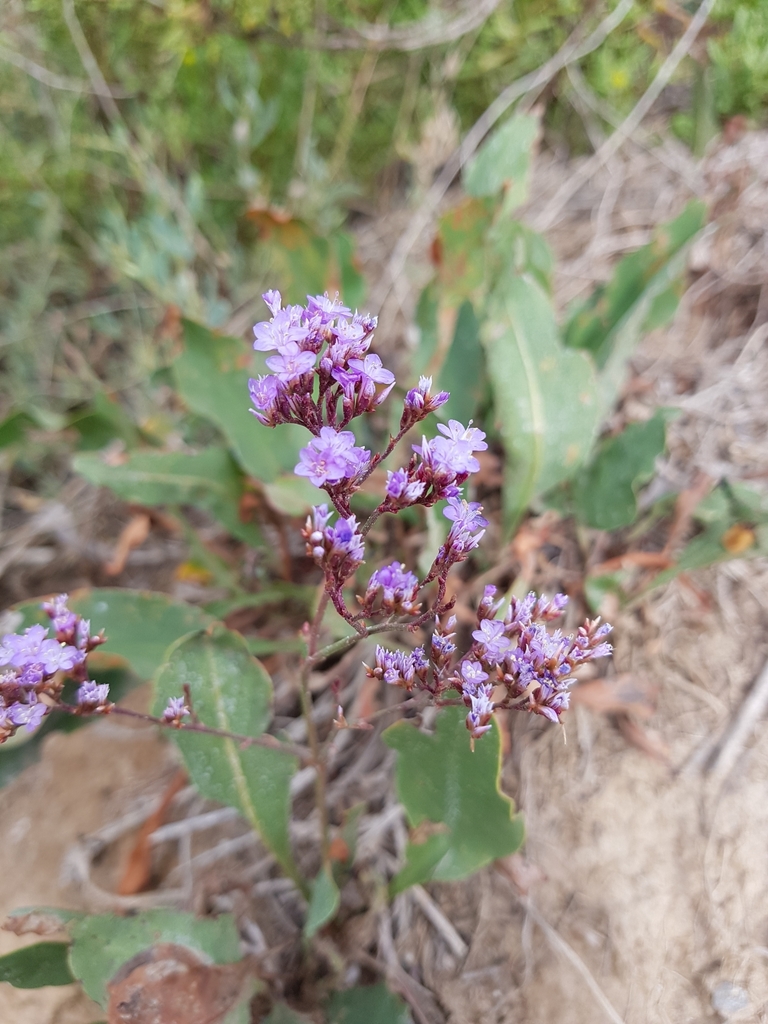
Quick facts
- Family: Plumbaginaceae
- Difficulty: Easy to care for
- Watering: every 7 days
- Light: Partial shade
- Temperature: 10–30 °C
About Sea lavender
Limonium maritimum, commonly known as Sea Lavender, is a perennial coastal plant cherished for its delicate, misty lavender flowers that form an ethereal cloud. Its inflorescences, often used in dried floral arrangements, emerge from basal rosettes of leaves, adding a touch of color and texture to rock gardens, path edges, or as ground cover in coastal areas. Its resistance to salinity and wind makes it ideal for coastal landscapes and xerophytic gardens.
Native range
Mediterranean region, especially coasts of Southern Europe and North Africa.
Care tips
It requires full sun for optimal flowering and well-drained soils, preferably sandy or stony, as it is very susceptible to waterlogging. Watering should be moderate, allowing the substrate to dry out completely between waterings, and very scarce once established. Avoid excessive moisture at the roots, as this is the most common mistake leading to its decline. It does not require frequent fertilization, thriving in poor soils.
How to save a dying Sea lavender
- Warning signs
- Yellowish or brown, soft leaves, drooping stems. Indicates overwatering or poor drainage.
- First aid
- Remove plant, check roots (prune rotten ones). Replant in sandy, well-draining substrate.
- What kills it
- Overwatering and constant waterlogging. It does not tolerate excessive moisture at its roots.
- Can it be saved?
- Yes, if you act quickly. If roots aren't completely rotted, it can recover.