Buck's-horn plantain (Plantago coronopus)
Care, watering, light and tips for Buck's-horn plantain on Floravia.
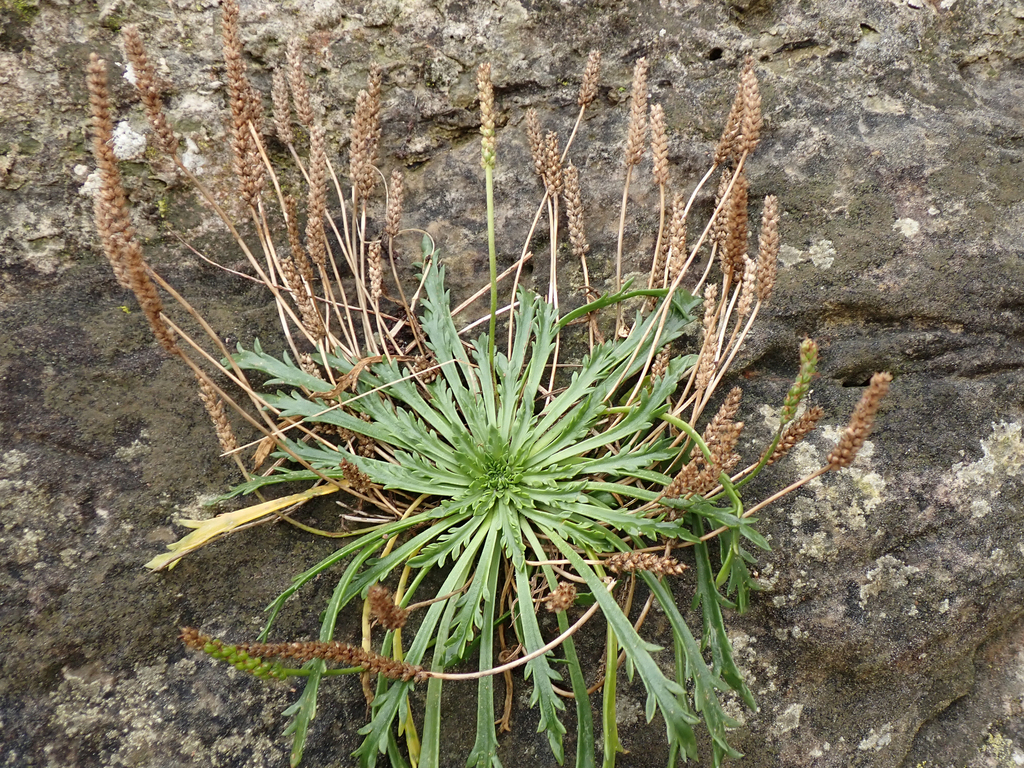
Quick facts
- Family: Plantaginaceae
- Difficulty: Easy to care for
- Watering: every 7 days
- Light: Partial shade
- Temperature: 10–30 °C
About Buck's-horn plantain
Plantago coronopus, commonly known as Buck's-horn Plantain or Staghorn Plantain, is an annual or biennial herbaceous plant belonging to the Plantaginaceae family. It is characterized by its basal leaves arranged in a rosette, which are deeply lobed and toothed, giving it a distinctive appearance. It is ideal for rock gardens, path edges, or as an edible plant in salads due to its slightly bitter taste.
Native range
Coastal regions of Europe, North Africa, and West Asia.
Care tips
Buck's-horn Plantain thrives in full sun to partial shade and prefers well-drained, sandy, or slightly stony soil, tolerating drought well. Watering should be moderate, allowing the substrate to dry out between waterings, especially once established. It does not require regular fertilization and can thrive in poor soils. A common mistake to avoid is overwatering, which can lead to root rot.
How to save a dying Buck's-horn plantain
- Warning signs
- Wilted or yellowing leaves, stunted growth, rot at the base.
- First aid
- Check drainage, reduce watering if waterlogged, or water if very dry.
- What kills it
- Excessive moisture and lack of direct light. It does not tolerate prolonged waterlogging.
- Can it be saved?
- Yes, if you act quickly. It's quite resilient if conditions are corrected.