Veronica canterburiensis
Care, watering, light and tips for Veronica canterburiensis on Floravia.
Quick facts
- Family: Plantaginaceae
- Difficulty: Easy to care for
- Watering: every 7 days
- Light: Partial shade
- Temperature: 10–30 °C
About Veronica canterburiensis
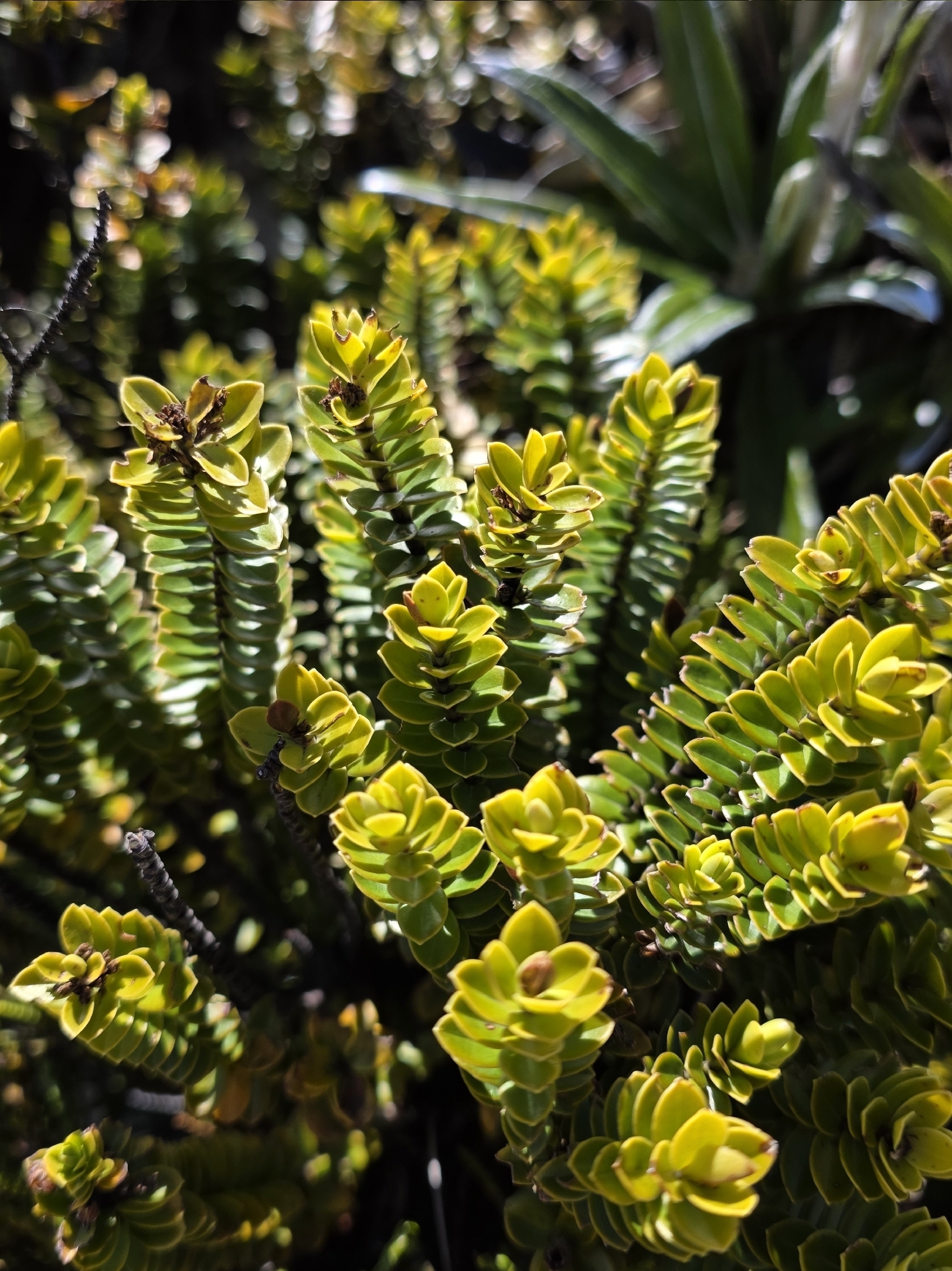
Veronica canterburiensis, commonly known as Canterbury hebe, is a dwarf, compact shrub native to New Zealand. It's characterized by its small, glossy green leaves and clusters of white flowers that emerge in summer, creating an attractive contrast. It's ideal for rock gardens, path edgings, or as ground cover in low-maintenance landscapes.
Native range
New Zealand
Care tips
It prefers full sun to partial shade and well-drained, slightly acidic to neutral soil. Watering should be moderate, allowing the substrate to dry out slightly between waterings, and it's important to avoid waterlogging as it is susceptible to root rot. A common mistake is planting it in heavy, poorly drained soils, which will compromise its health.
How to save a dying Veronica canterburiensis
- Warning signs
- Wilting or yellowing leaves, brown tips, leaf drop. Can be due to dryness or overwatering.
- First aid
- Check soil moisture. If dry, water thoroughly; if wet, improve drainage and ventilation. Prune dry branches.
- What kills it
- Inconsistent watering (neither too dry nor waterlogged). Low light or cold drafts also weaken it.
- Can it be saved?
- Yes, if you act quickly. It's resilient but needs a stable environment and good drainage to recover.