Creeping toadflax (Linaria repens)
Care, watering, light and tips for Creeping toadflax on Floravia.
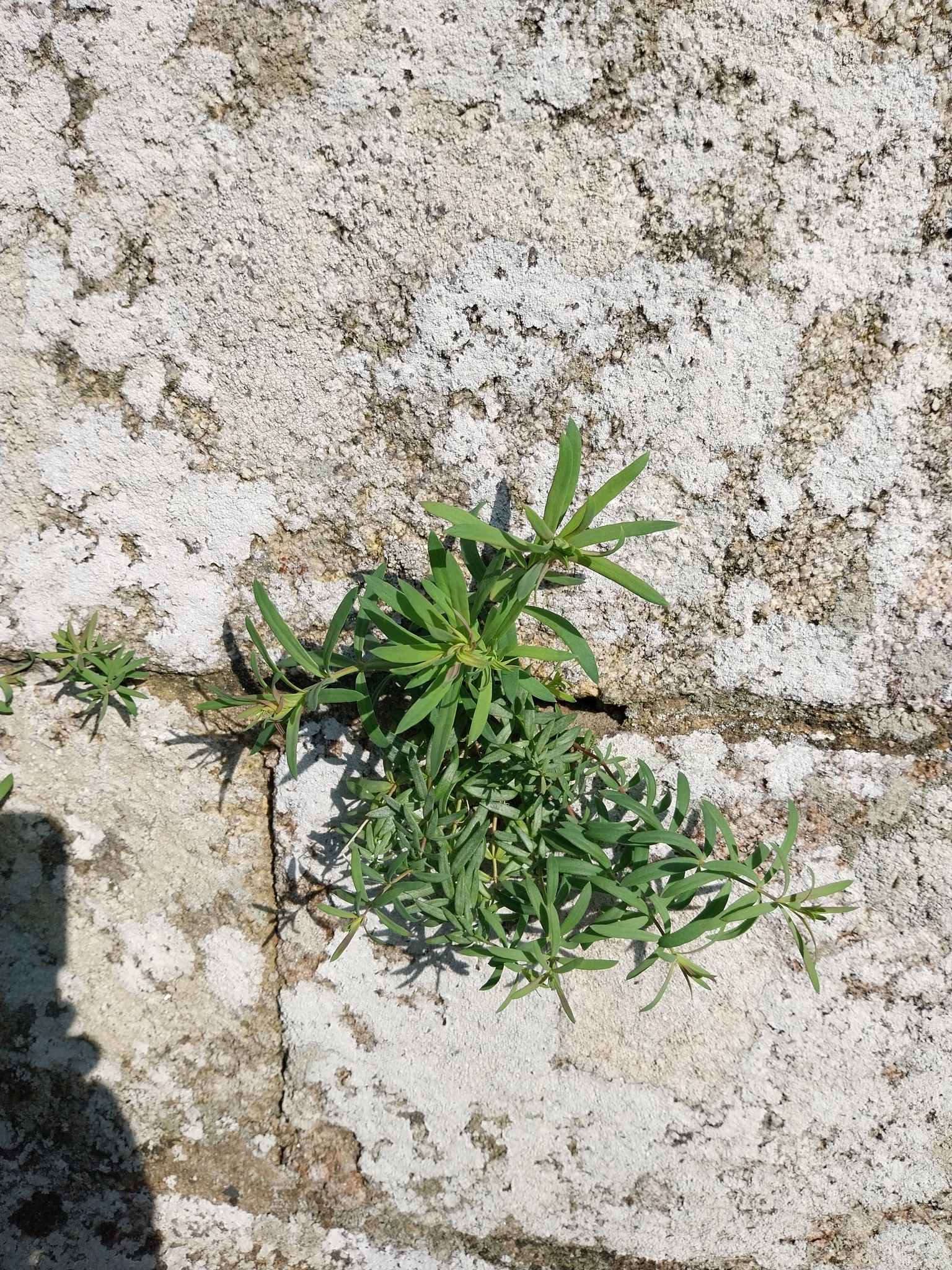
Quick facts
- Family: Plantaginaceae
- Difficulty: Easy to care for
- Watering: every 7 days
- Light: Partial shade
- Temperature: 10–30 °C
- Toxicity: Toxic to pets
About Creeping toadflax
Linaria repens, commonly known as creeping toadflax or striped toadflax, is a small perennial plant characterized by its delicate, bicolored tubular flowers, typically white with purple or violet stripes. Its creeping habit and profuse blooming make it ideal for rockeries, path edges, or as ground cover in low-maintenance gardens, adding a charming, wild touch. It's an excellent choice for naturalistic gardens or as part of a wildflower meadow.
Native range
Southwestern Europe and North Africa
Care tips
This species thrives in full sun or light partial shade for optimal flowering. It tolerates poor soils but prefers well-drained and slightly sandy substrates, avoiding waterlogging which can rot its roots. Watering should be moderate, allowing the substrate to dry out between waterings, and it is quite drought-tolerant once established. A common mistake is planting it in heavy, wet soils, which reduces its vigor and can lead to diseases.
How to save a dying Creeping toadflax
- Warning signs
- Yellowish or brown, wilted, lifeless leaves. Lack of flowering or dried flowers.
- First aid
- Move to partial shade. Check soil moisture, water if dry. Prune severely affected stems.
- What kills it
- Excessive direct sun and extreme dryness, or prolonged waterlogging that rots the roots.
- Can it be saved?
- Yes, if roots aren't completely rotted. Act quickly with proper watering and placement.