Spanish foxglove (Digitalis thapsi)
Care, watering, light and tips for Spanish foxglove on Floravia.
Quick facts
- Family: Plantaginaceae
- Difficulty: Moderate care
- Watering: every 4 days
- Light: Partial shade
- Temperature: 10–30 °C
- Toxicity: Toxic to pets
About Spanish foxglove
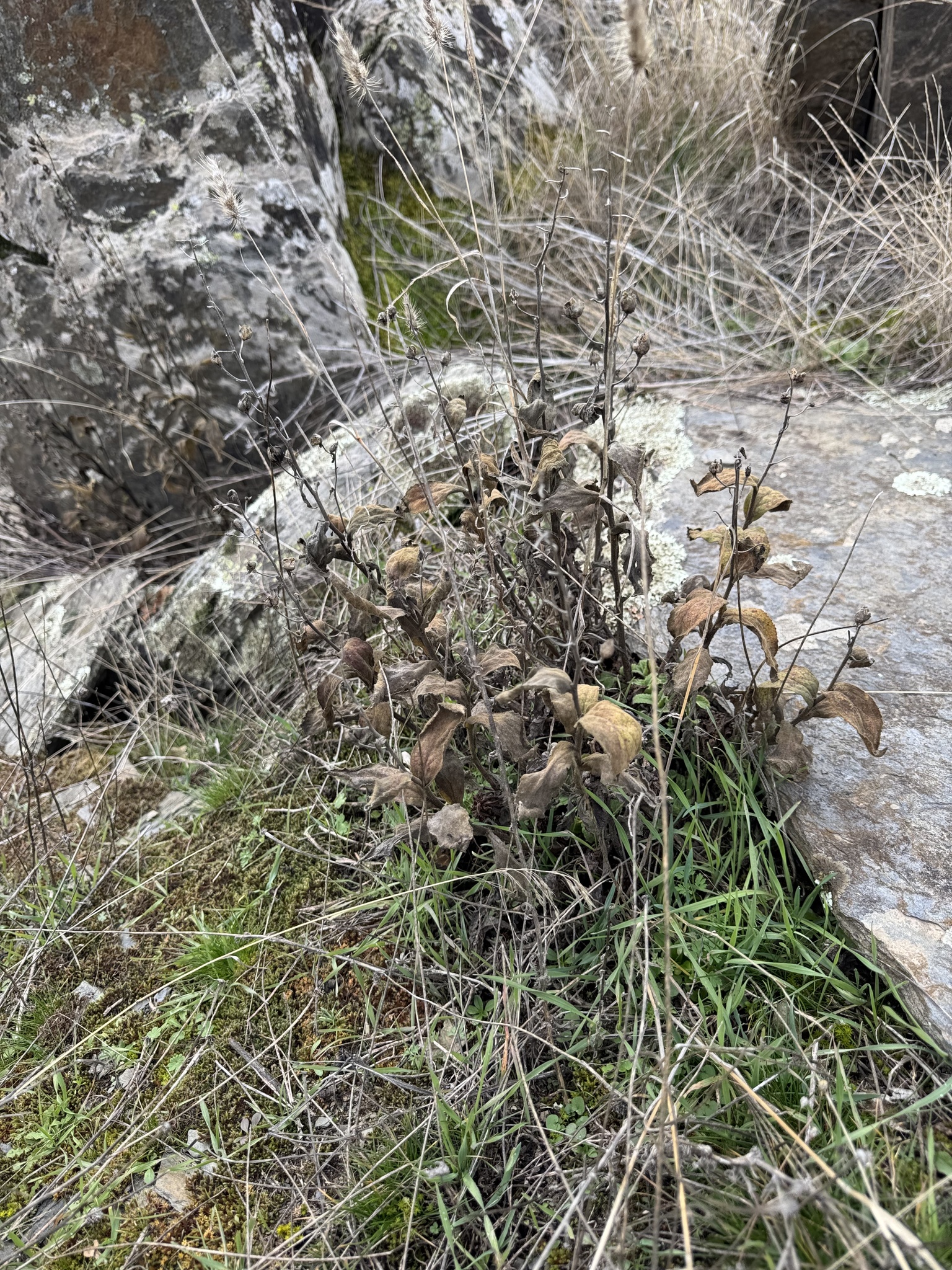
Digitalis thapsi, commonly known as Iberian Foxglove, is a perennial or biennial plant native to the Iberian Peninsula, valued for its spikes of intense pink-purple tubular flowers. Its basal leaves are velvety and grayish-green, forming an attractive rosette even before flowering. It is ideal for cottage gardens, woodland edges, or in borders where a vertical and vibrant splash of color is desired.
Native range
Iberian Peninsula and Northwest Africa
Care tips
It prefers locations with partial shade, especially in warm climates, although it tolerates full sun if the soil is kept moist. Watering should be regular during flowering and dry periods, ensuring good drainage to prevent waterlogging. It thrives in slightly acidic to neutral, well-drained soils rich in organic matter. A common mistake is planting it in heavy or clayey soils, which can lead to root rot.
How to save a dying Spanish foxglove
- Warning signs
- Yellow, drooping basal leaves, soft stems, weak or no flowering. Often indicates water or nutrient stress.
- First aid
- Check drainage and soil moisture. If dry, water deeply. If waterlogged, repot to well-drained soil. Add compost.
- What kills it
- Overwatering or heavy soil causing root rot. Also, insufficient light.
- Can it be saved?
- Yes, if roots aren't fully rotten. Act quickly by correcting watering and improving soil.