Cymbalaria pallida
Care, watering, light and tips for Cymbalaria pallida on Floravia.
Quick facts
- Family: Plantaginaceae
- Difficulty: Easy to care for
- Watering: every 7 days
- Light: Partial shade
- Temperature: 10–30 °C
- Toxicity: Toxic to pets
About Cymbalaria pallida
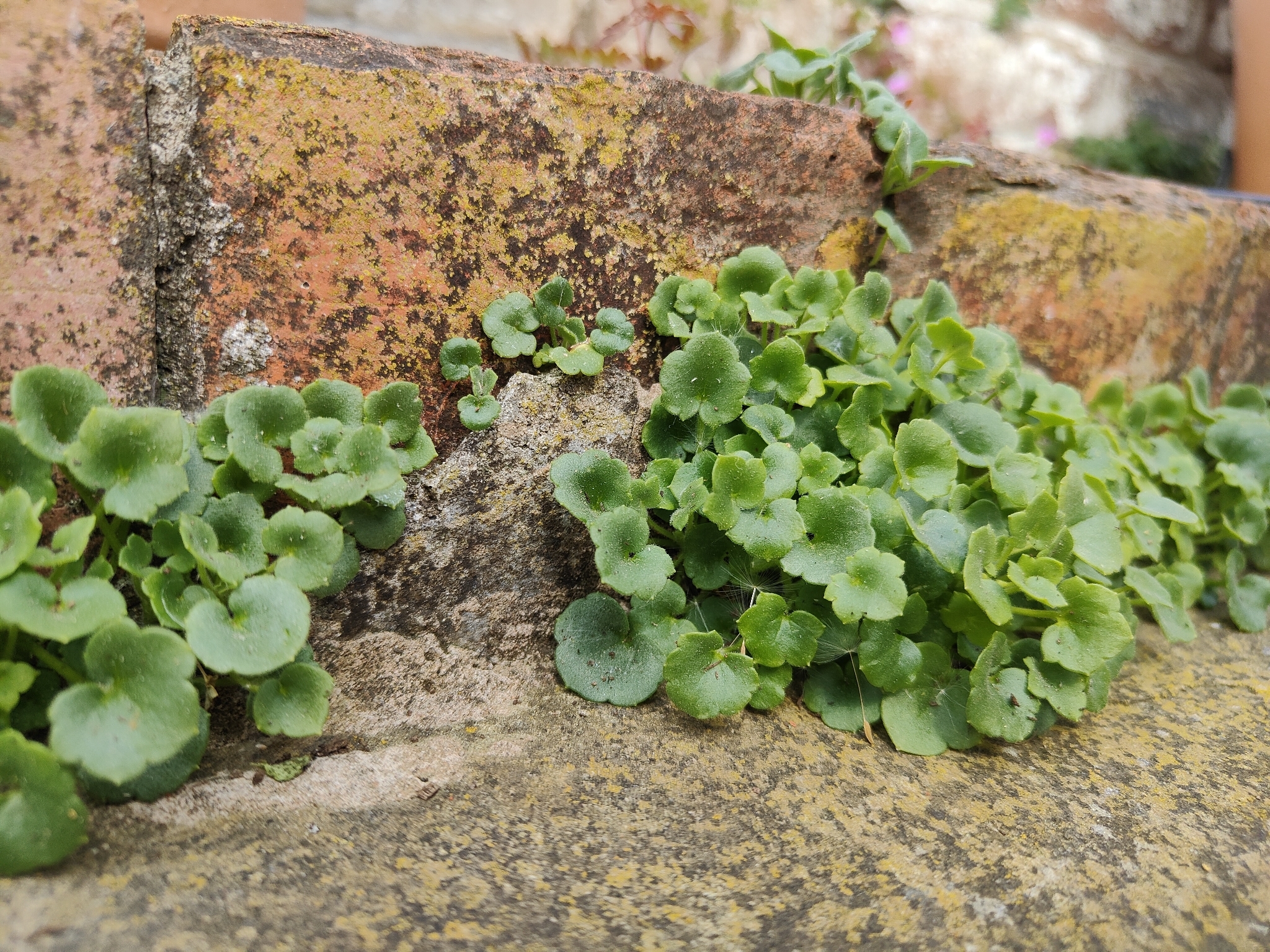
Cymbalaria pallida, commonly known as Pale Toadflax, is a small perennial herbaceous plant belonging to the Plantaginaceae family. It is characterized by its delicate rounded or kidney-shaped leaves and tiny pale lilac to white flowers, often with a yellowish center. It is ideal for rock gardens, old walls, or as ground cover in shady areas, where its trailing stems can create a charming tapestry.
Native range
Europe, especially in the Alps and other mountainous regions of the south and center
Care tips
This species prefers partial to full shade and well-drained soils, though it tolerates a range of conditions. Watering should be moderate, allowing the substrate to dry out slightly between waterings, as waterlogging is a common mistake that can lead to root rot. It prefers alkaline to neutral soils and does not require much fertilization; excess nutrients can stimulate leafy growth at the expense of flowering. Avoid direct strong midday sun exposure, which can scorch its delicate leaves.
How to save a dying Cymbalaria pallida
- Warning signs
- Yellowish or whitish leaves, soft and drooping stems, stunted growth.
- First aid
- Move to bright, indirect light. Check soil: if wet, let dry; if dry, water lightly. Ensure good drainage.
- What kills it
- Overwatering causing root rot or complete lack of light. Prolonged direct sun also burns it.
- Can it be saved?
- Yes, if roots aren't completely rotted and some green stems remain. Act quickly.