Opium poppy (Papaver somniferum)
Care, watering, light and tips for Opium poppy on Floravia.
Quick facts
- Family: Papaveraceae
- Difficulty: Easy to care for
- Watering: every 7 days
- Light: Partial shade
- Temperature: 10–30 °C
- Toxicity: Toxic to pets
About Opium poppy
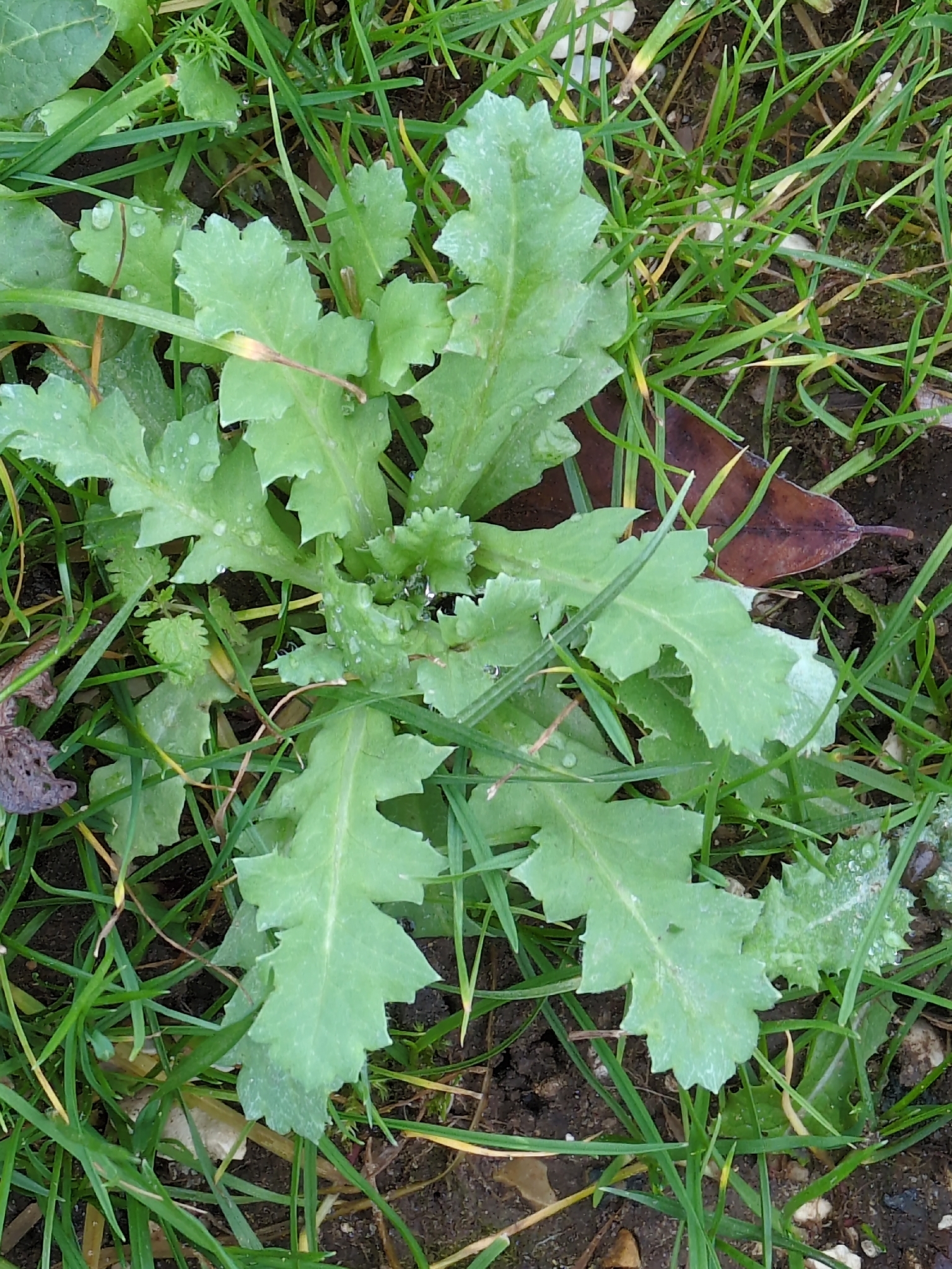
Papaver somniferum, commonly known as the opium poppy, is an annual plant from the Papaveraceae family, valued for its large, showy flowers in various colors and its distinctive capsule-shaped fruits. It grows up to 1.5 meters tall, featuring erect stems and lobed, blue-green leaves. It is ideal for cottage or naturalistic gardens, where its ephemeral yet striking blooms can create a dramatic focal point.
Native range
Mediterranean region and Middle East
Care tips
It requires full sun for optimal flowering and well-drained soil, preferably rich in organic matter. Watering should be moderate, allowing the top layer of the substrate to dry out between waterings, and it is crucial to avoid waterlogging, as it is susceptible to root rot. A common mistake is attempting to transplant mature seedlings, as they do not tolerate root disturbance well; it is best to sow directly in their final location. It does not require excessive fertilization.
How to save a dying Opium poppy
- Warning signs
- Wilted or yellowing leaves, soft stem, no flowering or drooping flowers.
- First aid
- Check drainage and soil moisture. If waterlogged, repot into dry soil. If very dry, water lightly.
- What kills it
- Overwatering, heavy soil retaining water, or lack of direct sun. It does not tolerate waterlogging.
- Can it be saved?
- Yes, if you act quickly. Remove damaged parts and correct watering and sun exposure. They are annuals, so timing is key.