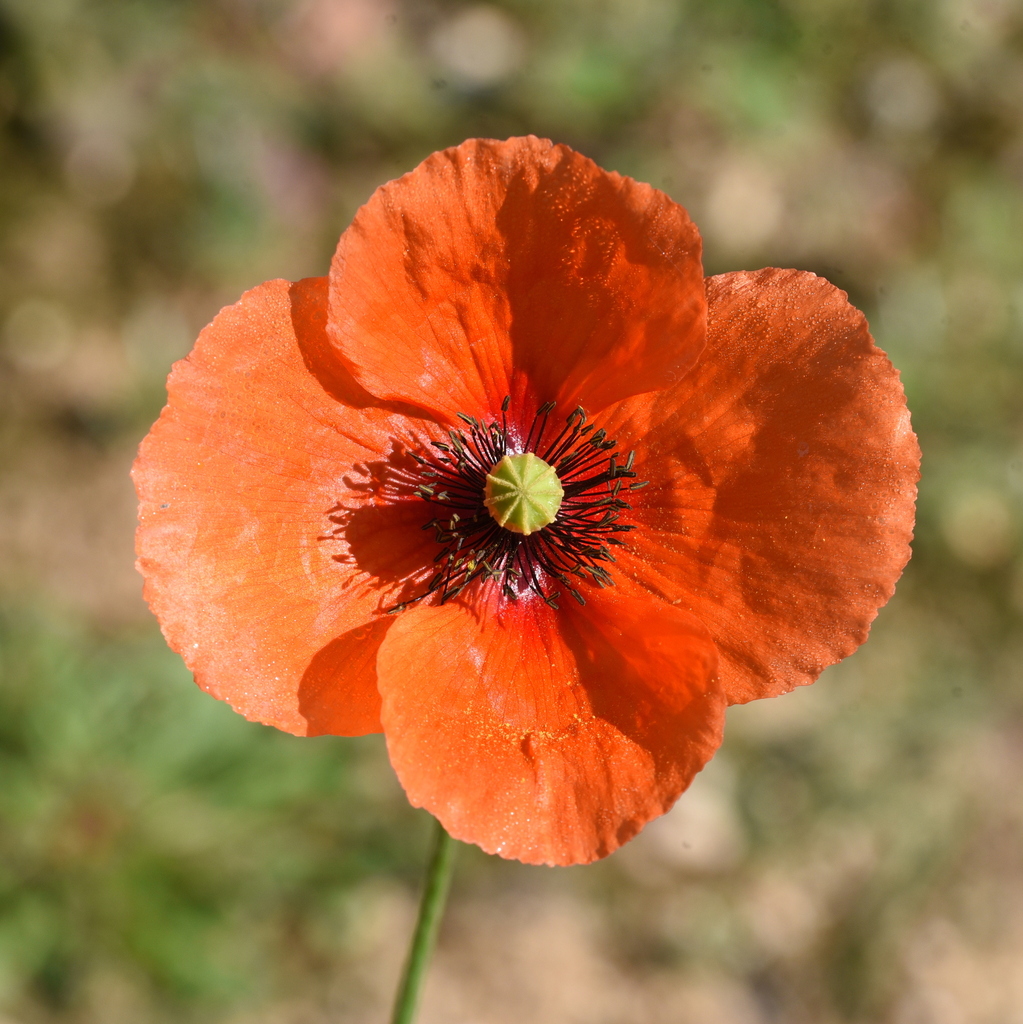
Long-headed poppy (Papaver dubium)
Care, watering, light and tips for Long-headed poppy on Floravia.
Quick facts
- Family: Papaveraceae
- Difficulty: Easy to care for
- Watering: every 7 days
- Light: Partial shade
- Temperature: 10–30 °C
- Toxicity: Toxic to pets
About Long-headed poppy
Papaver dubium, commonly known as long-headed poppy or field poppy, is an annual wildflower featuring delicate petals, typically scarlet or pale pink, with a dark center. Its ephemeral beauty and ethereal appearance make it ideal for cottage gardens, naturalized meadows, or roadside borders where a touch of spontaneous and natural color is desired.
Native range
Europe, North Africa, and temperate Asia
Care tips
Papaver dubium thrives in full sun in well-drained soils, preferably poor to moderately fertile, as overly rich soils can promote foliage at the expense of blooms. It requires little watering once established, being susceptible to overwatering. A common mistake is attempting to transplant seedlings; it's best to sow seeds directly in their final location in autumn or early spring.
How to save a dying Long-headed poppy
- Warning signs
- Yellowing or wilting leaves, drooping stems. Flowers not opening or dropping quickly.
- First aid
- Transplant to a sunny spot with well-draining soil. Remove spent blooms to encourage more flowering.
- What kills it
- Overwatering and prolonged shade. It doesn't tolerate waterlogging or heavy soils.
- Can it be saved?
- Yes, if you act quickly. It needs sun and light soil to recover.