Welsh poppy (Papaver cambricum)
Care, watering, light and tips for Welsh poppy on Floravia.
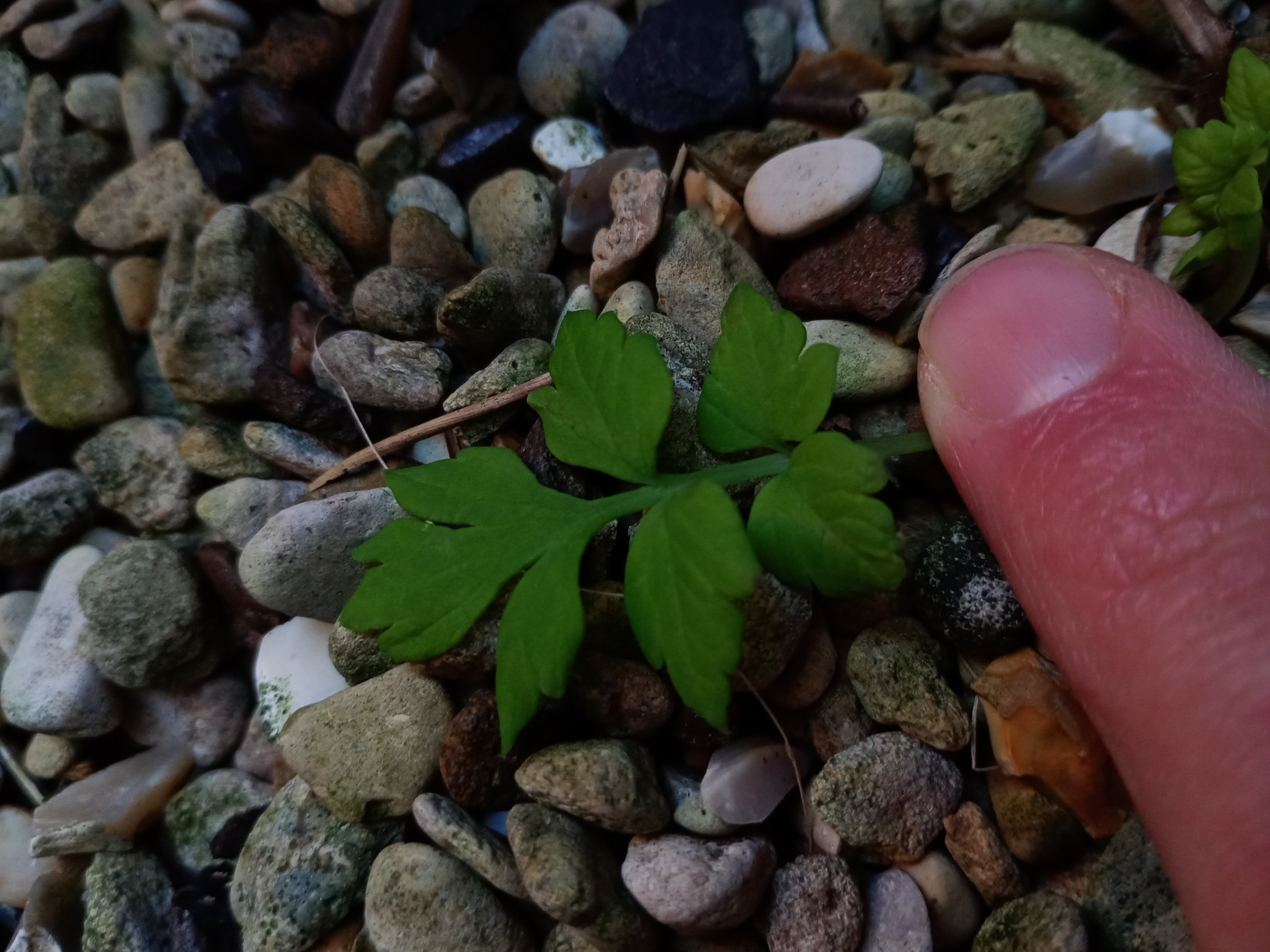
Quick facts
- Family: Papaveraceae
- Difficulty: Easy to care for
- Watering: every 4 days
- Light: Partial shade
- Temperature: 10–30 °C
- Toxicity: Toxic to pets
About Welsh poppy
Papaver cambricum, also known as Welsh poppy or gul valmuesøster, is a perennial herbaceous plant from the Papaveraceae family, prized for its delicate, bright yellow or orange flowers resembling poppies, but with a longer blooming period. It reaches heights of 30-60 cm and forms dense clumps of lobed, bluish-green foliage. It is ideal for partial shade gardens, rockeries, or as an understory plant in naturalistic gardens.
Native range
Mountains of Western Europe (Spain, France, United Kingdom, and Ireland)
Care tips
This plant prefers partial shade or filtered light, though it tolerates some direct sun in cooler climates. It requires well-drained soil, moist but not waterlogged, rich in organic matter. Water regularly to keep the substrate slightly damp, especially during dry periods. A common mistake is exposure to full sun in hot climates, which can lead to scorched leaves and reduced flowering.
How to save a dying Welsh poppy
- Warning signs
- Yellowing or wilting leaves, soft stems, no flowering.
- First aid
- Check drainage and soil moisture. Provide partial shade and wind protection.
- What kills it
- Overwatering causing root rot, or intense direct sun in warm climates.
- Can it be saved?
- Yes, if roots aren't fully rotten and conditions are corrected.