Red horned poppy (Glaucium corniculatum)
Care, watering, light and tips for Red horned poppy on Floravia.
Quick facts
- Family: Papaveraceae
- Difficulty: Moderate care
- Watering: every 7 days
- Light: Partial shade
- Temperature: 10–30 °C
- Toxicity: Toxic to pets
About Red horned poppy
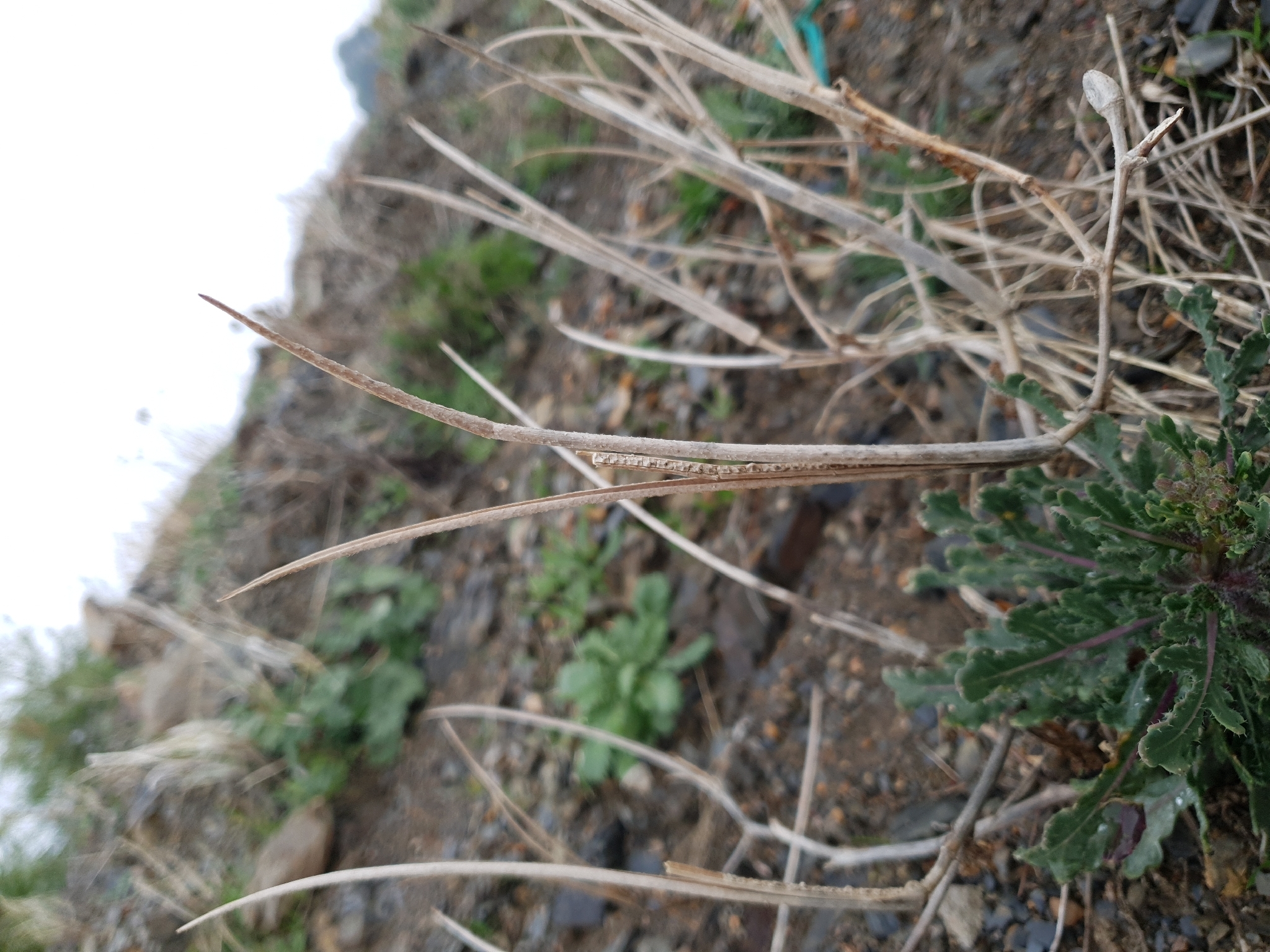
Glaucium corniculatum, commonly known as Red Horned Poppy, is an annual or biennial herbaceous plant belonging to the Papaveraceae family, notable for its vibrant orange or scarlet-red flowers and distinctive long, curved, horn-like fruits. Native to the Mediterranean region, this plant is ideal for rock gardens, sunny borders, or to add a touch of wild color to xeriscape landscapes. Its delicate yet striking appearance makes it an excellent choice for low-maintenance gardens with full sun exposure.
Native range
Mediterranean region of Europe, North Africa, and Western Asia.
Care tips
This poppy thrives in full sun exposure for abundant flowering and prefers well-drained soil, even poor or sandy, as it does not tolerate waterlogging. Watering should be moderate, allowing the substrate to dry out completely between waterings, especially once established. Avoid excessive fertilization, as this can promote leaf growth at the expense of flowering. A common mistake to avoid is overwatering, which can lead to root rot.
How to save a dying Red horned poppy
- Warning signs
- Yellowing or wilting leaves, soft stems, lack of flowering, or premature flower drop.
- First aid
- Check drainage. Repot with fresh, well-draining soil if in a pot. Improve soil aeration if in ground. Reduce watering.
- What kills it
- Overwatering and waterlogged soil, leading to root rot. Also, lack of direct sunlight.
- Can it be saved?
- Yes, if root rot isn't too advanced and overwatering/lack of light are corrected promptly.