Turkish poppy (Papaver commutatum)
Care, watering, light and tips for Turkish poppy on Floravia.
Quick facts
- Family: Papaveraceae
- Difficulty: Easy to care for
- Watering: every 7 days
- Light: Partial shade
- Temperature: 10–30 °C
- Toxicity: Toxic to pets
About Turkish poppy
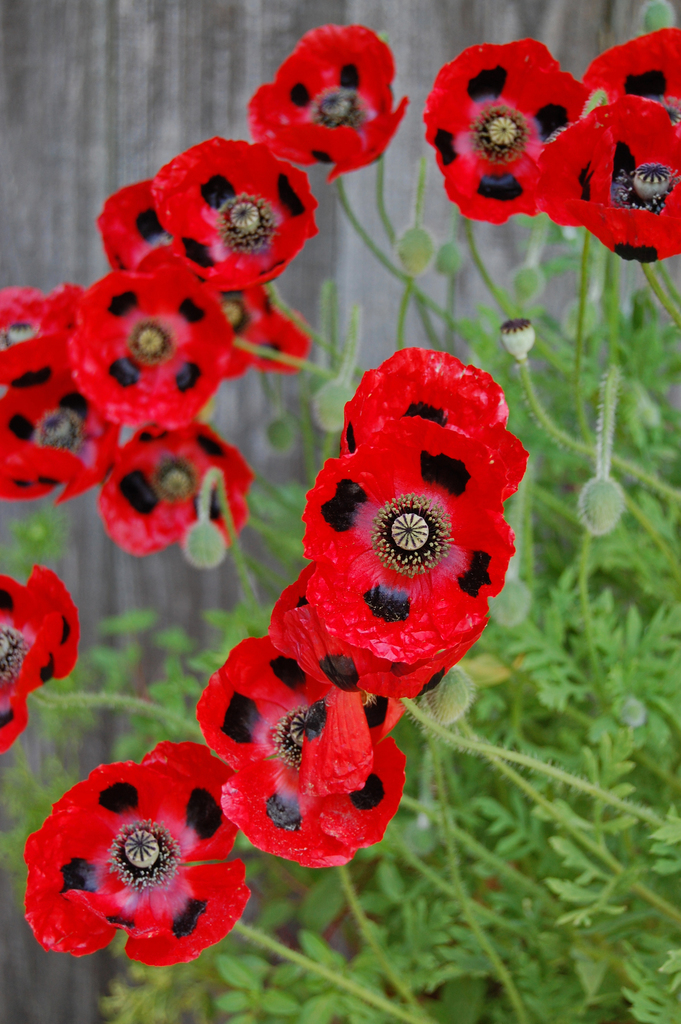
Papaver commutatum, commonly known as the 'Turkish Tulip' or 'Ladybird Poppy', is a charming annual plant producing vivid scarlet red flowers, each with a distinctive black blotch at the base of its petals. Its delicate yet vibrant appearance makes it perfect for garden borders, rockeries, or to add a touch of wild color to meadows and cottage gardens. It blooms profusely in spring and early summer, creating a striking visual display.
Native range
Europe and temperate Asia
Care tips
This plant thrives in full sun for optimal flowering and prefers well-drained, even poor soils. Watering should be moderate; once established, it is quite drought-tolerant, so overwatering is a common mistake to avoid. Sow seeds directly into the soil in early spring, as it dislikes transplanting. It does not require frequent fertilization; average soil is sufficient.
How to save a dying Turkish poppy
- Warning signs
- Wilting or yellowing leaves, soft stems, lack of flowering or dropped flowers.
- First aid
- Check drainage and soil moisture; if waterlogged, repot into dry soil. If dry, water lightly. Provide good ventilation.
- What kills it
- Overwatering is its biggest enemy, quickly rotting its roots. Also heavy, undrained soil.
- Can it be saved?
- Yes, if you act quickly. If the roots are not completely rotted, there is hope. Good luck!