Papaver setiferum
Care, watering, light and tips for Papaver setiferum on Floravia.
Quick facts
- Family: Papaveraceae
- Difficulty: Moderate care
- Watering: every 7 days
- Light: Partial shade
- Temperature: 10–30 °C
- Toxicity: Toxic to pets
About Papaver setiferum
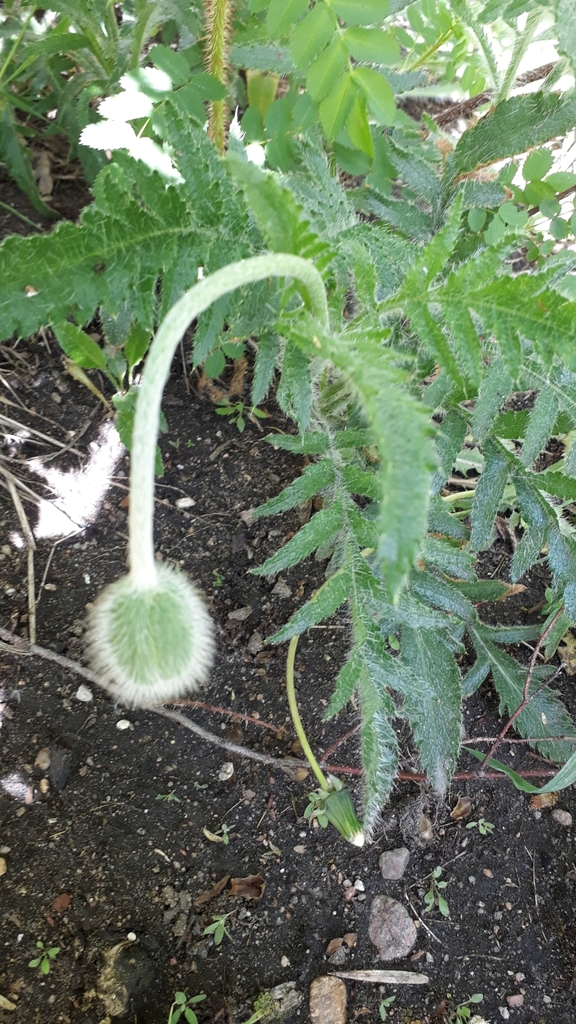
Papaver setiferum, also known as the giant poppy, is a striking ornamental plant that produces large, showy flowers, often in intense red or orange hues, with dark blotches at the base of the petals. Its sturdy stems and lobed foliage give it a majestic presence in the garden. It is ideal for flower beds, borders, and as a focal point in cottage or naturalistic gardens.
Native range
Turkey and the Caucasus
Care tips
This poppy thrives in full sun for optimal flowering. It requires well-drained, fertile soil; excessive moisture, especially in winter, can be detrimental. Water regularly during dry periods, but avoid waterlogging. A common mistake is attempting to transplant mature specimens, as their taproots are sensitive to disturbance; it is better to sow directly or transplant young seedlings with extreme care.
How to save a dying Papaver setiferum
- Warning signs
- Yellowing or wilting leaves, soft stems, or rot at the base, no flowering.
- First aid
- Check drainage; if potted, repot into a well-draining one. Reduce watering. Remove affected parts.
- What kills it
- Overwatering and waterlogged soil. It doesn't tolerate constant moisture, quickly rotting its roots.
- Can it be saved?
- Yes, if root rot hasn't affected the main taproot. Act fast to improve drainage and reduce watering.